
Basement Cleaning Services for a Healthier Lower Level
Published · Clear Choice Home Cleaning Services
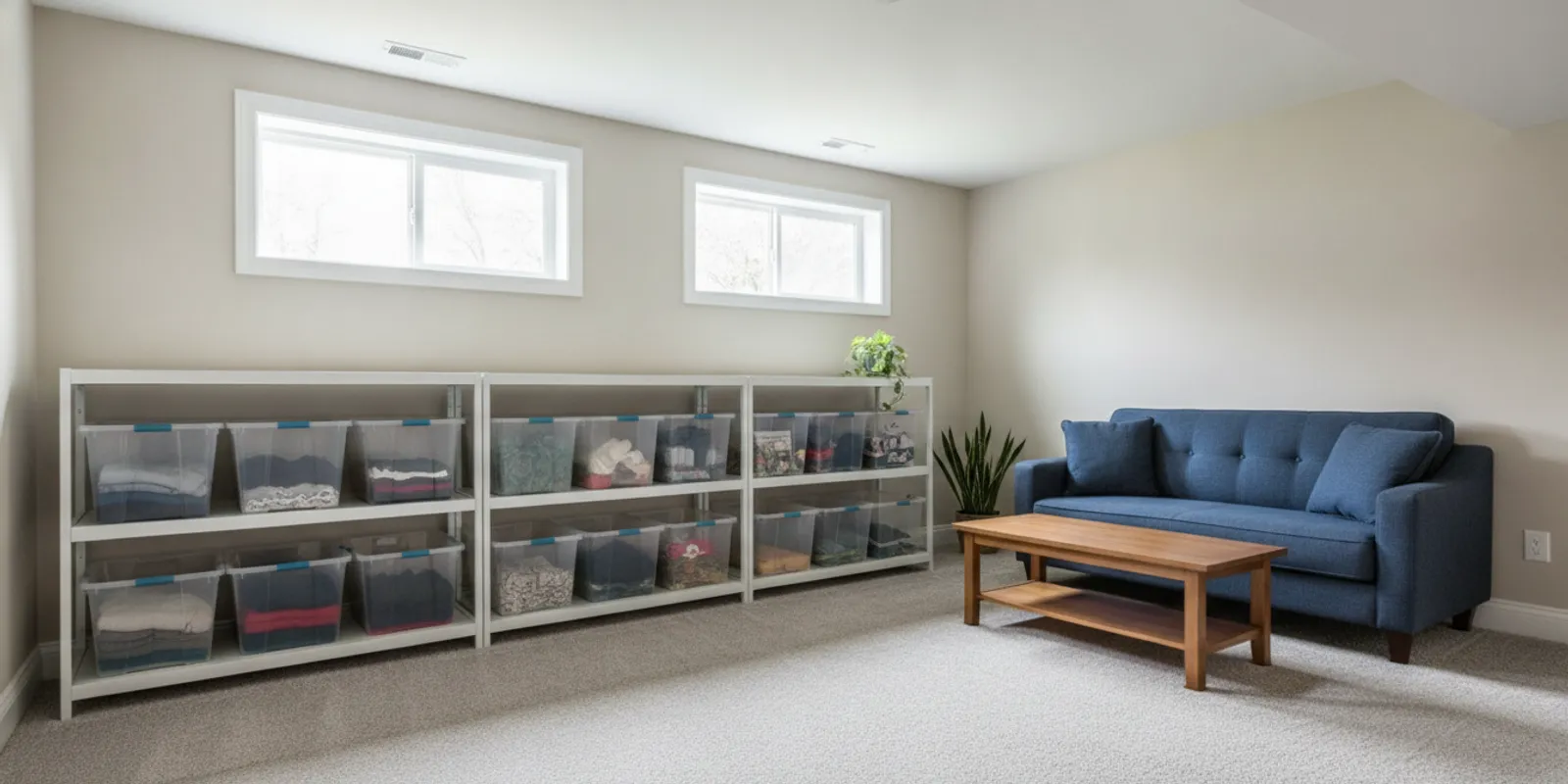
Basements often collect more than dust: stored belongings, tracked-in soil, renovation residue, and hard-to-reach corners can all make the lower level feel neglected. A thoughtful plan for basement cleaning services starts by identifying what the space needs, then deciding which tasks are safe and practical to handle yourself. Here is how to assess the room, clean it in a sensible order, and know when to ask for help.
What should you assess before cleaning a basement?
Before moving boxes or reaching for supplies, take a slow look around. Basements differ widely: one may be a finished family room with carpet, while another is an unfinished storage area with concrete floors, utility equipment, and shelves. The surface types and condition of the room determine which cleaning steps make sense.
Walk through the space and note:
- Flooring: Identify carpet, tile, sealed concrete, vinyl, or another material. Use a method suited to the floor rather than treating every surface the same.
- Stored items: Look for boxes against walls, belongings on the floor, and objects that block access to corners.
- Visible soil: Note dust, cobwebs, footprints, spills, and residue. Record areas that need extra attention.
- Moisture or damage: Check for damp materials, active leaks, standing water, damaged finishes, or a persistent musty odor.
- Special surfaces and equipment: Locate painted walls, wood trim, electronics, laundry appliances, and mechanical equipment that should not be sprayed or disturbed.
Pause if you find standing water near electrical equipment, sewage, significant water damage, or suspected mold growth. Routine house cleaning is not a substitute for repair, water removal, or specialized remediation. Avoid disturbing questionable material and address the underlying issue before treating the area as an ordinary cleaning project.
If the basement is part of a broader home reset, compare the scope of a deep cleaning service with your room-by-room list. You can also review this guide to what deep cleaning covers to distinguish detail work from routine upkeep.
How should you prepare the basement?
A little preparation makes cleaning easier and helps prevent damage. First, take photos or make notes of any pre-existing marks, loose trim, or delicate items. Then clear a safe route through the room so you can carry supplies without stepping over boxes or cords.
- Sort before you clean. Create simple keep, donate, and discard groups. Do not try to clean around every stored item if you can safely move it first.
- Protect belongings. Move fragile items, papers, electronics, and fabric away from splash-prone or dusty work areas. Keep boxes off damp floors where possible.
- Check product labels. Match the product to the surface, follow its directions, and do not mix cleaners. Use ventilation appropriate for the product and room.
- Gather basic tools. Keep microfiber cloths, a duster, a vacuum suited to the flooring, a mop if appropriate, and surface-safe cleaner within reach.
- Set aside a separate task for repairs. Loose fixtures, plumbing concerns, pest activity, and moisture sources need the right specialist, not a stronger cleaning product.
Sorting can feel like the slowest part, so make the job manageable. Begin with one shelf, one wall, or a small section rather than pulling every box into the center of the room. Label temporary groups clearly, and avoid stacking items where they block stairs, exits, or access to utility equipment. If another person needs to help lift a heavy object, plan that before cleaning day instead of trying to shift it alone.
Decide what “finished” means before you start. For a storage basement, it may mean clear walking paths, dust-free reachable shelves, and a clean floor around stored items. For a finished room, it may also include seating, baseboards, and frequently touched surfaces. A written list helps you spend time on the areas that matter most and makes it easier to explain the scope if you request a quote.
For a basement that has recently been renovated, construction dust may require a different scope from ordinary household upkeep. If that describes your space, see the company’s information about post-construction cleaning and ask what the work includes before scheduling.
What is a practical order for cleaning a basement?
Work from higher surfaces toward the floor, and from the far end of the room toward the exit. That order helps keep dust and debris from landing on areas you have already finished. Divide a large basement into zones, such as storage, laundry, recreation, and stairs, and complete one zone at a time.
Before beginning a zone, gather the tools it needs and decide where items will go while you work. A small cleared staging area can help, but keep it away from damp spots and electrical equipment. Finish one area before relocating its belongings to the next so you do not create new clutter or lose track of what has been cleaned.
1. Remove loose dust from high to low
Start with reachable ledges, shelves, light fixtures, and corners. Use a suitable duster or cloth and avoid pulling on wiring or reaching over unstable stacks. Move carefully around ceiling pipes and equipment. If a surface is too high or awkward to reach safely, leave it for someone with the right access and equipment.
Dusting one section at a time also gives you a chance to spot problems. If a shelf is sagging, a box is damp, or debris appears to be coming from a leak or damaged material, stop and investigate the cause rather than brushing it onto the floor. Keep a waste bag or container close by for ordinary loose debris, but do not handle material that looks questionable.
2. Wipe shelves and touchable surfaces
Work one shelf at a time. Lift items only when you can put them back in an organized way, and use a cloth dampened as directed for the material. Do not saturate unfinished wood, cardboard, fabric, or electrical components. For painted walls, test a small inconspicuous area before wiping a larger section.
Warm water and soap are suitable for many everyday cleaning tasks, while the right choice depends on the surface and soil. The American Cleaning Institute describes cleaning approaches and the role of cleaning products in its overview of levels of cleaning. Follow the label for any product you use, particularly if the surface is delicate or the residue is unfamiliar.
3. Clean the areas people touch often
Wipe door handles, handrails, light switches, and frequently used cabinet pulls with a product that is appropriate for the surface. If you choose a disinfectant for a particular reason, follow its label, including any directions about how long the surface must remain wet. Disinfecting is not necessary for every ordinary dusting task.
4. Address laundry and recreation areas separately
In a laundry area, wipe accessible exterior surfaces and clear lint from the spots specified in the appliance instructions. Do not spray controls, outlets, or vents. In a recreation area, move lightweight furnishings only if you can do so safely, and clean beneath them before returning them to place. Keep cleaning products away from children and pets while you work.
For a play space or family room, put toys and loose objects away first, then clean exposed surfaces and floor areas. Do not use a product on a toy, fabric, or finish unless its directions say it is appropriate. In a storage zone, focus on the shelves and accessible floor rather than trying to wipe every stored object; dusting each item can turn a simple reset into a much larger project.
5. Finish with the floor
Vacuum or sweep loose debris before using a damp cleaning method. Check the flooring manufacturer’s care guidance, especially for carpet, wood, and specialty finishes. Use only as much moisture as the material allows, and let the floor dry before returning stored items or rugs.
For more on choosing a floor-safe approach, the site’s practical tile floor cleaning guide and vinyl floor care guide cover two common hard-surface materials.
How does the basement type change the cleaning plan?
The same checklist will not fit every lower level. Finished rooms have furnishings and decorative surfaces to protect; utility and storage areas call for more attention to access and dust control. Adjust your plan to the use of the space instead of trying to make every basement look or function the same way.
- Finished living area: Treat it much like another room in the home. Clear small items, dust high surfaces, wipe touch points, vacuum upholstery only if its care instructions allow, and finish with the floor. Check beneath lightweight furniture, but do not drag heavy pieces across the floor.
- Storage room: Work in short sections and preserve a clear path. Clean accessible shelves and floor space, then return items in stable, orderly groups. If a shelf or box cannot be moved safely, clean the accessible area around it and note the limitation.
- Laundry or utility area: Keep water and cleaning products away from electrical parts, controls, and vents. Wipe only accessible exterior surfaces and follow equipment manuals for maintenance tasks. Do not move or disconnect appliances or mechanical systems as part of routine cleaning.
- Recently renovated area: Identify what remains from the project and ask whether the surfaces are ready for cleaning. Fine dust, leftover materials, and newly installed finishes can require different handling from ordinary household soil.
These distinctions also help you make a realistic time estimate. A mostly empty finished room may be straightforward to refresh, while shelves packed with belongings require sorting and careful handling before the floor can be reached. If the basement serves several purposes, list each zone and decide which ones are priorities for this visit.
What should you clean yourself, and when should you get help?
A basic basement refresh is often manageable when the room is dry, access is clear, and the work involves ordinary dust and surface soil. A professional cleaning visit may be useful when the space needs detailed attention, has many surfaces to cover, or is part of a move or property turnover. The right scope depends on the condition of the basement and the tasks requested; ask for a quote rather than assuming every basement receives the same service.
| Situation | Reasonable next step | What to clarify |
|---|---|---|
| Dry room with light dust and accessible surfaces | Handle a routine refresh yourself | Surface care directions and safe access |
| Stored items block floors or shelves | Sort and clear the area before cleaning | Which items can be moved and who will move them |
| Basement needs detailed cleaning across several areas | Ask a cleaning provider whether the requested scope fits | Rooms, surfaces, exclusions, and quote details |
| Recent renovation or construction work | Discuss a post-construction scope | Debris, dust level, finish stage, and access |
| Standing water, active leak, sewage, or suspected mold | Stop routine cleaning and address the source with an appropriate specialist | Repair or remediation needs before cleaning |
When you compare a DIY reset with a professional visit, consider more than the size of the room. Ask how much sorting is needed, how many surfaces are accessible, whether the floor requires special care, and whether the job involves ordinary cleaning or a separate repair issue. A clearer scope prevents mismatched expectations. It also helps you decide which tasks to complete yourself and which ones to include in a request.
When requesting a quote, describe the basement’s size as best you can, whether it is finished, the types of flooring and surfaces, and what you want cleaned. Mention stairs, storage areas, laundry equipment, and any areas that should be left untouched. If the home is changing occupants, explain whether the basement is part of a move-in deep clean or a separate request.
It can help to send a short room-by-room list: “finished room—vacuum and wipe reachable surfaces; storage area—clean open floor and shelves; laundry—wipe exterior surfaces only.” Note whether boxes will be moved before the visit and identify anything fragile or off-limits. Ask what the provider includes, whether you need to prepare the room, and how a change in condition could affect the scope. Do not assume a cleaner will sort, haul away, repair, or remediate unless that work has been specifically confirmed.
Clear Choice Home Cleaning Services is locally owned and serves North Metro Atlanta. The team brings cleaning supplies and equipment, and the owner personally handles scheduling and makes satisfaction check-in calls. To learn more about the company’s broader cleaning services, check whether your requested basement tasks fit the scope and service area before making plans.
How can you keep the basement easier to maintain?
Once the room is clean, small habits can keep another major reset from building up. Keep frequently used items in labeled bins, leave a little space between stored items and walls, and avoid placing belongings directly on a floor that may be exposed to moisture. Return tools and supplies to the same area after use so the floor stays accessible.
- Do a quick visual check for new leaks or dampness when you visit the basement.
- Remove visible dust and cobwebs before they spread to stored items.
- Wipe up ordinary spills promptly using a method suitable for the surface.
- Keep pathways, stairs, and access to equipment clear.
- Revisit the storage layout when boxes become difficult to reach or clean around.
Choose a schedule based on how the basement is used. A frequently used family room may need regular attention, while a low-traffic storage area may need less frequent surface cleaning. A move, renovation, or change in how the room is used can also be a good reason to reassess the cleaning plan.
A simple repeatable routine might be to check the room for moisture and clutter during each visit, dust the most-used shelves and touch points as needed, and periodically clear one storage section so you can clean the floor beneath it. Keep a small note of recurring issues, such as a spot that collects tracked-in soil or a shelf that is difficult to reach. That way, each maintenance session has a defined task instead of becoming an open-ended attempt to reorganize the entire basement.
Ask about a basement cleaning quote
Frequently Asked Questions
Can a regular house cleaning include the basement?
That depends on the provider’s service scope and the details of the request. Describe the basement and the specific tasks you want completed, then confirm what is included when you request a quote.
Should I move all the boxes before a cleaning visit?
Clear access helps a cleaner reach the surfaces and floor you want addressed. You do not necessarily need to empty the entire basement, but move fragile or valuable items and confirm in advance whether any stored belongings can be moved during the visit.
Can cleaning remove a musty odor?
Cleaning may remove ordinary dust or residue that contributes to an odor, but it will not fix an underlying leak, damp material, or other moisture source. Investigate persistent odors and visible moisture before treating the room as a routine cleaning job.
What should I tell a cleaning company when I ask for a quote?
Share the approximate size, finish and floor types, condition, access details, and the areas you want cleaned. Note any renovation residue or special surfaces, and ask what is included, what is excluded, and whether preparation is needed.
A clean basement is easier to use when the work starts with a safe assessment, a clear scope, and a plan that fits the room’s surfaces and condition.