
How to Clean Tile Floors: A Room-by-Room Guide
Published · Updated · Clear Choice Home Cleaning Services
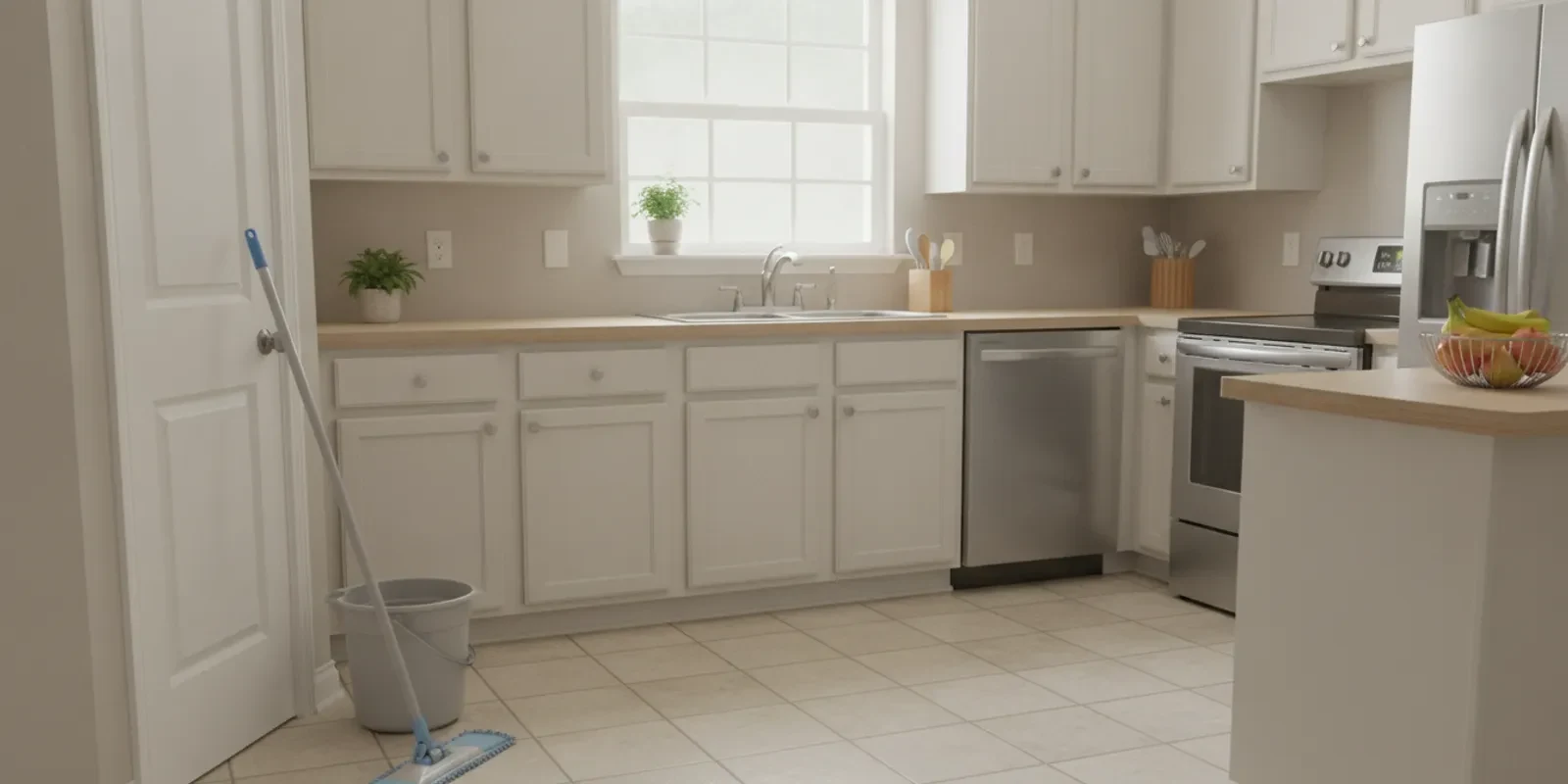
Knowing how to clean tile floors starts with two simple habits: remove loose grit before you mop, and use a cleaner that suits the tile and grout. Ceramic and porcelain are usually straightforward to maintain, while natural stone needs gentler, surface-specific care. A few careful steps can help keep everyday dirt and kitchen or bathroom residue from building up.
What Should You Know About Tile and Grout Before Cleaning?
Tile is not one single surface. Ceramic and porcelain tile are common in kitchens, bathrooms, entryways, and laundry rooms. Natural stone, such as marble or travertine, has different care needs. Grout, the material in the joints between tiles, is often more porous and can hold soil or discoloration even when the tile itself looks clean.
Before you start, check the floor’s care instructions if you have them. If you are unsure whether a floor is stone, test a cleaning method in a small, inconspicuous spot first. Avoid assuming that a product safe for glazed ceramic is also safe for every stone, grout sealer, or specialty finish.
Keep these distinctions in mind:
- Glazed ceramic or porcelain: Usually tolerates routine damp mopping with a suitable, mild floor cleaner. The glaze is the finished surface; abrasive tools can scratch it.
- Unglazed tile: May absorb soil more readily than glazed tile. Use a product approved for the surface and follow its instructions.
- Natural stone: Needs a stone-safe, pH-neutral cleaner. Acidic products such as vinegar or lemon juice can dull or damage some stone surfaces.
- Grout: Needs gentle attention and a soft brush. Harsh chemicals, aggressive scrubbing, or excess water may harm grout or its sealer.
When in doubt, follow the tile or grout manufacturer’s directions rather than testing a strong household remedy on the whole floor.
What Supplies Do You Need to Clean Tile Floors?
For routine cleaning, gather a broom or vacuum suitable for hard floors, a microfiber mop or other non-abrasive mop, a bucket, clean water, and a tile-appropriate floor cleaner. Keep a soft nylon brush or an old soft toothbrush for grout lines and small corners. Have a dry microfiber cloth ready to wipe up excess water.
Read the label before using any cleaner. Use the amount and dilution stated on the label, and do not combine cleaning products. In particular, never mix bleach with ammonia or with other cleaners. Ventilate the room as directed, and keep children and pets away from wet floors and stored products.
Avoid steel wool, stiff metal brushes, scouring powders, and rough pads unless the flooring manufacturer specifically approves them. They can scratch tile, wear down a finish, or damage grout. A discussion about cleaning ceramic tile floors describes applying a solution, brushing, and then removing residue with clean water; treat it as one practical example, not a substitute for your floor maker’s instructions: Cleaning ceramic tile floors.
How to Clean Tile Floors Step by Step
- Clear the floor. Pick up rugs, chairs, and small items so you can clean the full surface and reach the edges.
- Remove dry debris. Sweep or vacuum first, including corners and along baseboards. Fine grit left behind can drag under a mop and leave marks.
- Prepare the cleaner. Follow the product label and use a cleaner suited to your tile. Do not make a stronger mixture than directed.
- Mop in manageable sections. Use a damp, not dripping, mop. Work from the far end of the room toward the exit so you do not walk over freshly cleaned areas.
- Rinse when needed. If the cleaner’s directions call for rinsing, use clean water and a well-wrung mop. Change the water when it becomes visibly dirty.
- Address remaining marks gently. For a sticky spot, allow a damp cloth to rest over it briefly, then wipe. Use a soft brush for residue caught in grout; do not scrape with a blade.
- Dry the surface. Wipe up puddles and let the floor dry before replacing rugs or furniture. This helps prevent slip hazards and reduces water sitting in grout joints.
Use a clean mop head. A mop that has picked up a lot of soil can spread residue across the floor, leaving a dull or streaky look. If the surface looks cloudy after it dries, check whether too much cleaner was used or whether the product requires a clean-water rinse.
For textured tile, move the mop in more than one direction so it reaches the shallow grooves, then check the surface in good light for missed debris. Rinse and wring the mop as needed instead of pushing dirty water from one end of the room to the other. On a large floor, divide the room into sections and finish each one before the solution dries. Keep the walkway clear and let the floor dry fully before returning rugs, baskets, or furniture.
Pay attention to thresholds and edges, too. Dust can collect where tile meets a wall, cabinet, or another flooring material. Wipe those narrow areas with a damp cloth rather than forcing a mop into a tight space. If you use a rug, make sure its backing is suitable for the floor and that the rug is dry before putting it back; trapped moisture can affect some finishes and grout.
How Should You Handle Kitchen Tile and Grease?
Kitchen floors collect crumbs, cooking splatter, and sticky spills. Sweep up dry food first so it does not turn into a paste under the mop. For greasy residue, use a tile-safe floor cleaner according to its label and change the mop water once it becomes dirty. A damp cloth can help loosen a small spill before you mop the surrounding area.
Do not pour concentrated degreaser directly onto the floor unless its directions specifically say to do so. Stronger is not necessarily better: too much product can leave residue that attracts dirt. Around a stove or island, clean the floor in small sections, then rinse if the cleaner label calls for it. Check for splashes along cabinet toe-kicks and in corners, where sticky buildup can be easy to miss.
If a spill contains food coloring, oil, or another substance that may stain, blot it promptly rather than rubbing it outward. Use a cleaner approved for that tile. If you are cleaning the whole kitchen, our step-by-step kitchen cleaning guide can help you organize the rest of the room without forgetting counters or other high-use areas.
How Do You Clean Bathroom Tile and Grout?
Bathroom floors often have soap residue, hair, dust, and moisture. Sweep or vacuum hair and loose debris before mopping. Use a tile-safe cleaner on the floor, paying attention to the space around the toilet, vanity, and shower entrance. Keep the mop damp rather than leaving standing water behind.
For grout, apply an appropriate cleaner as directed, work a soft brush along a short section, and wipe away the loosened soil. Rinse if the label requires it and dry the area. Avoid aggressive back-and-forth scrubbing that can wear grout, and do not assume that a cleaner intended for shower walls is suitable for every floor material. If grout is cracked, missing, or persistently discolored, cleaning may not correct the underlying condition; a grout or tile professional can advise whether repair or resealing is appropriate.
Keep the room ventilated and follow label precautions, especially when working with products in a small bathroom. For more bathroom-cleaning steps, see our safe bathroom cleaning checklist.
Which Cleaning Method Fits Your Tile Floor?
| Floor or situation | Good starting method | Use caution with |
|---|---|---|
| Glazed ceramic or porcelain, routine soil | Sweep or vacuum, then damp mop with a suitable mild cleaner | Abrasive pads, too much cleaner, and a soaking-wet mop |
| Natural stone | Use a stone-safe, pH-neutral cleaner and a soft mop | Vinegar, lemon, acidic products, and unapproved treatments |
| Grout lines with surface soil | Apply an approved cleaner, gently brush, then wipe and rinse as directed | Metal brushes, harsh scrubbing, and excess water |
| Sticky kitchen spill | Blot or soften with a damp cloth, then clean the spot with a compatible product | Scraping with sharp tools or spreading the spill with a dirty mop |
| Unfamiliar or specialty tile | Check manufacturer guidance and test a hidden area first | Assuming a general-purpose cleaner is safe for every finish |
How Do You Respond to Common Tile-Floor Problems?
Why does my tile floor look streaky or cloudy?
Cleaner residue, dirty mop water, or a mop head carrying too much soil can leave a film. Try a clean mop and fresh water, and use only the cleaner amount specified by its label. If the product requires a rinse, do not skip it. Test any corrective step in a small area first, particularly on stone or specialty finishes.
What should I do about a fresh spill?
Pick up solid material carefully, then blot the liquid with a clean cloth. Wipe from the outside of the spill inward to avoid spreading it. Clean with a product compatible with the tile and dry the area. For a substance that leaves a mark, follow the tile maker’s stain guidance instead of applying a stronger chemical at random.
Can I use vinegar on every tile floor?
No. Vinegar is acidic and can damage or dull some natural stone and other sensitive surfaces. Even if a remedy is commonly suggested for ceramic, your tile, grout, or sealer may have different requirements. Check the manufacturer’s care instructions and choose a cleaner approved for your specific floor.
Can a mop clean grout by itself?
A mop is useful for routine floor care, but it may not reach soil lodged in textured grout or along the joints. A soft brush and an appropriate cleaner can provide more controlled attention. If the grout is damaged or stained below the surface, ordinary cleaning may not restore its original appearance.
How Often Should You Clean Tile Floors?
Set a routine that fits the room and how much foot traffic it gets. Kitchens, entryways, and busy family areas may need frequent sweeping because grit and crumbs accumulate quickly. Less-used rooms may need attention less often. Damp mop when the floor looks dirty or feels sticky, and clean spills as they happen.
It can help to separate quick maintenance from a full mop. Pick up visible crumbs and wipe fresh splashes as needed, then schedule a more complete sweep and damp mop based on what the floor actually collects. A home with pets, children, or an entrance that sees regular outdoor traffic may need more frequent dry debris removal. Avoid using a fixed schedule as a reason to wet-clean a floor that is already clean; excess moisture is not a substitute for good maintenance.
Use mats at entrances where practical, and shake or clean them regularly so they do not become a source of grit. Lift rather than drag heavy furniture when moving it, and check that chair legs or other hard edges will not scratch the tile. These simple habits reduce the amount of soil that reaches the floor and make routine cleaning easier.
For example, a busy entryway may benefit from a quick sweep after muddy or rainy days, while a lightly used guest bathroom may only need dry debris removal and mopping when the floor actually shows soil. Match the method to the problem: sweep up grit first, spot-wipe a small splash, and reserve a full damp mop for a larger area or a sticky surface. After a wet-cleaning session, inspect the floor from different angles once it dries. That helps you distinguish a missed patch from a film caused by cleaner or dirty water, so the next step is a targeted correction rather than another heavy application.
A simple weekly check can also prevent grime from becoming harder to manage. Look along grout joints near doorways, under the edges of rugs, and around the sink or stove where water and splatter land. If one zone repeatedly gets dirty faster, use a washable entrance mat or wipe spills as they happen instead of increasing chemical strength across the whole floor. Keep any mat dry and lift it periodically to check that moisture is not trapped underneath.
When Is It Time to Ask for Cleaning Help?
Routine tile care is manageable for many households, but a larger cleaning can be useful when rooms have built-up soil, a move is coming up, or the home needs a fresh start. Cleaning needs vary by floor type, room condition, and the scope of the work. Avoid expecting a cleaning service to repair cracked tile, replace grout, or guarantee removal of every stain; those conditions may call for a flooring specialist.
Before asking for help, note which rooms need attention and what you already know about the floor. Mention if it is natural stone, if the grout is sealed, or if a previous cleaner left a film. Point out specific spots such as kitchen grease near the range or tracked-in dirt by an entry. Clear descriptions help set the scope and avoid treating an unknown surface with an unsuitable product. If you are planning a move, distinguish ordinary floor upkeep from a full property turnover; see our move-in and move-out cleaning information for a relevant service option.
Clear Choice Home Cleaning Services serves homes in North Metro Atlanta, including Alpharetta, Cumming, Johns Creek, Roswell, and surrounding communities. The team brings cleaning supplies and equipment. For service details, visit the cleaning services overview or learn about what deep cleaning covers. For common service questions, you can also review the cleaning services FAQs.
Contact us to discuss your cleaning needs
Frequently Asked Questions
Should I sweep or vacuum tile before mopping?
Yes. Remove loose grit, hair, and crumbs first. This helps prevent debris from being pushed around by the wet mop and makes it easier to clean corners and grout lines.
Should tile floors be rinsed after mopping?
Follow the floor-cleaner label. Some products require rinsing and others do not. If a floor looks cloudy or feels tacky after cleaning, excess product or dirty water may be the cause; use fresh water and a clean mop where appropriate.
Is steam cleaning safe for tile?
It depends on the tile, grout, sealer, and equipment instructions. Check the flooring manufacturer’s guidance before using steam, particularly on natural stone, sealed grout, or floors with existing damage.
What is the safest way to clean unfamiliar tile?
Identify the surface if possible, consult its manufacturer’s care instructions, and test a compatible cleaner in a hidden spot. Use a soft mop or cloth and avoid acidic or abrasive products until you know they are safe for that floor.
With loose debris removed, a compatible cleaner, and a light touch on grout, you can keep most tile floors cleaner without risking unnecessary wear.