
How To Clean Stainless Steel Appliances: A Clear Homeowner Guide
Published · Clear Choice Home Cleaning Services
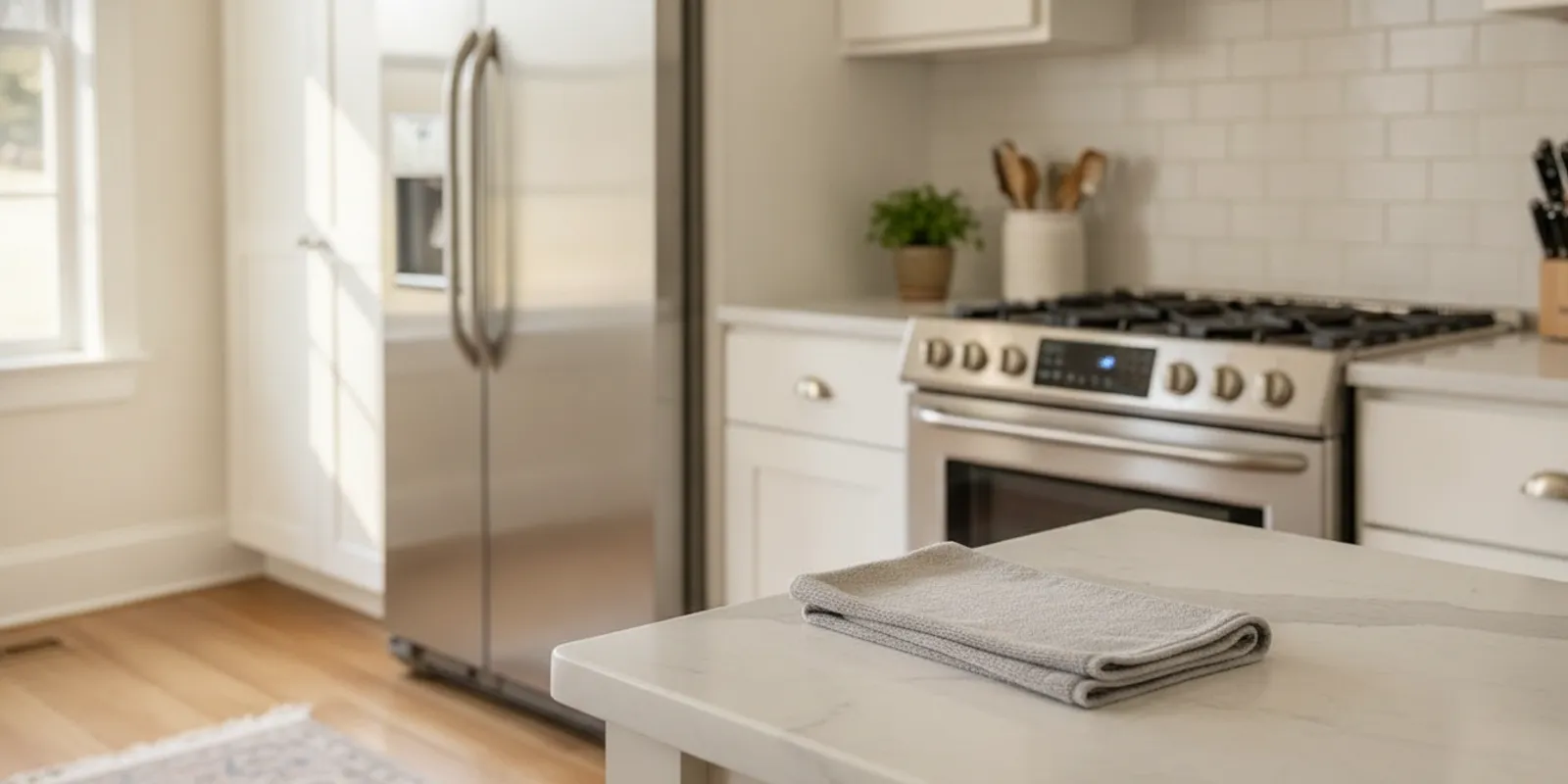
Knowing how to clean stainless steel appliances starts with using a light touch, a clean cloth, and the care instructions for the specific appliance. For many everyday fingerprints and smudges, warm water and microfiber are a sensible first try; avoid assuming that every stainless finish can take the same cleaner. Read the manual before you begin, especially if the surface is coated or labeled fingerprint-resistant.
What should you check before you clean?
“Stainless steel” describes a material, but appliance fronts may have different finishes, protective coatings, or care requirements. Start by checking the owner’s manual or the manufacturer’s care page for your model. Look for warnings about polish, oils, acidic products, solvents, or cleaners intended for glass. If the care instructions recommend a particular approach, use that instead of a general household tip.
Also check the surface in good light. Brushed metal usually has fine lines that run in one direction. A coating can make the lines less obvious, and some fronts are designed to look like stainless steel without being bare metal. If you cannot tell what the surface is, use only the method the manufacturer approves and test it in a small, less visible place first.
- Remove rings, bracelets, or anything that could catch or scratch the finish.
- Use clean, soft microfiber cloths. Grit caught in a cloth can scratch as you wipe.
- Keep liquids away from controls, vents, seams, dispensers, and electrical openings.
- Do not clean a hot appliance or let liquid pool along an edge.
- Never mix cleaning products. Follow product labels and appliance instructions.
A damp cloth is safer than spraying cleaner across the appliance. If a product is permitted, put a small amount on the cloth and keep it away from openings. When a kitchen needs attention beyond the appliance fronts, Clear Choice’s deep cleaning service information can help you understand the broader cleaning option and request an estimate.
How do you clean stainless steel appliances step by step?
- Clear the area. Move items from the appliance top and nearby counter so you have room to work. If you are cleaning a refrigerator, make sure doors and drawers can open without bumping into anything.
- Remove loose dust and crumbs. Wipe gently with a dry, clean microfiber cloth, following the direction of the grain. This keeps loose grit from dragging across the surface during wet cleaning.
- Dampen the cloth. Use warm water first. If the manual permits soap and water, add only a small amount of mild dish soap to the water. The cloth should be damp rather than dripping.
- Wipe in the direction of the grain. Work in manageable sections with light, even strokes. Follow the lines across the surface rather than scrubbing in circles or pressing hard.
- Rinse away soap. If you used soap, wipe the area again with a second cloth dampened with clean water. Leftover detergent can dry into a film.
- Dry promptly. Use a fresh, dry microfiber cloth and follow the grain again. Check under angled light for moisture or streaks before moving to the next section.
- Finish details carefully. Wipe around handles and edges with a lightly damp corner of the cloth. Dry these areas so water does not remain around seams or hardware.
Keep the pressure low. A few gentle passes are better than vigorous rubbing, especially if the cloth is picking up dirt. Rinse or replace the cloth as soon as it looks soiled. Use separate cloths for the appliance front and for counters, floors, or other kitchen surfaces.
Which cleaning method fits the mark?
Start with the least aggressive approach that may work. A mark that looks stubborn may only need time for a damp cloth to soften it. Avoid reaching immediately for a strong degreaser, abrasive powder, scouring pad, or metal scraper. If the manual gives instructions for a specific kind of soil, follow those directions.
| What you see | First step to try | Use caution with |
|---|---|---|
| Fingerprints or light smudges | Wipe gently with a clean cloth dampened with water, then dry with the grain. | Polishes, oily products, or heavy pressure. |
| Dried food splash | Hold a warm, damp cloth over the spot briefly to soften it; wipe, rinse, and dry. | Scraping, abrasive powders, and letting moisture run into seams. |
| Greasy film | Use diluted mild dish soap only if the appliance instructions allow it; rinse the cloth and dry the area. | Strong degreasers or products not approved for the finish. |
| Water marks | Wipe with a clean damp cloth and dry thoroughly with a fresh cloth. | Vinegar or other acidic products unless the manual permits them. |
| Sticky residue | Soften with a damp cloth and consult the model’s care instructions before trying anything stronger. | Blades, metal scrapers, solvents, or adhesive removers. |
A Texas Workforce Commission equipment-cleaning manual mentions glass cleaner for the stainless-steel exterior of a unit in its specific equipment-cleaning directions. That is not a universal recommendation for household appliances or coated finishes. Treat it as an example of why the surface and equipment instructions matter: use glass cleaner on your appliance only when its manufacturer says it is suitable. See the Texas Workforce Commission Equipment Cleaning Manual.
Fingerprints and routine smudges
For fingerprints, dampen rather than soak the cloth and make a single, light pass along the grain. Turn the cloth to a clean section before buffing dry. If a mark remains, repeat with a clean damp section rather than adding more product. The thin residue left by a previous polish can also make fingerprints more noticeable, so avoid layering a new product over an unknown one.
Dried splashes and sticky spots
Do not chip dried food away with a fingernail or utensil. Lay a warm, damp cloth over the spot for a short time, then lift it and wipe softly. Repeat if necessary. Keep the cloth controlled, especially near buttons, door edges, water dispensers, and the gap between appliance panels. Dry the area as soon as the residue is gone.
If the material will not loosen with this gentle method, pause and check the manual. A finish that changes color, becomes cloudy, or feels different after a product is applied is a reason to stop, not to scrub harder. Follow the manufacturer’s next-step guidance.
How can you prevent streaks and scratches?
Streaks often come from excess cleaner, soap left behind, water that was not dried, or a cloth that has already picked up soil. Use less liquid, rinse the cloth frequently, and finish with a clean, dry cloth. Work in small sections so a damp area does not dry before you can buff it.
- Follow the grain: Find the direction of the fine lines and keep your strokes consistent.
- Switch to a clean cloth: A cloth used on another surface may carry grit or residue.
- Do not over-apply product: A light damp wipe is usually easier to rinse and dry than a heavy spray.
- Check from another angle: Side light can reveal soap film or water that is hard to see straight on.
- Stop if the finish reacts: Do not try to polish away clouding or discoloration with more pressure.
Skip steel wool, scouring pads, powdered abrasives, rough paper towels, and blades. Do not use an appliance polish, oil, or specialty stainless-steel product unless the manufacturer confirms that it is appropriate for the exact model and finish. Some products can leave an uneven film even when they do not visibly damage the surface.
What about handles, control panels, and nearby surfaces?
Handles gather fingerprints, but they may be made from a different material than the door. Check their care requirements too. Use the damp cloth rather than pouring or spraying cleaner over the handle, and wipe around its base without pushing moisture into joints. Dry the handle and surrounding metal before closing the door.
Control panels, touch screens, water dispensers, and display trim need extra care. Follow the manual’s directions for those parts; a method that is allowed on the stainless front may not be allowed on a screen or printed control. Do not let water drip into buttons, openings, or the dispenser recess. If the manual directs you to power down or lock the controls before cleaning, follow that instruction.
When cleaning several areas in the kitchen, clean the appliance front with its own cloth. Then use other appropriate supplies for counters, cabinet fronts, and floors. The site’s kitchen cleaning guide covers the broader room, while the kitchen supplies guide can help with planning what to keep on hand. Do not assume a product that is suitable for a counter is also suitable for an appliance finish.
How often should you clean appliance fronts?
There is no one schedule that suits every household. Wipe a visible fingerprint or splash when it appears, and add the fronts to your usual kitchen reset. A home with frequent cooking, children, or a busy shared kitchen may need quick spot cleaning more often than a lightly used one. Small, regular wipes can prevent food spots from drying, without requiring a deep scrub each time.
For a weekly or monthly routine, inspect the refrigerator, range, dishwasher, and microwave exterior under ordinary kitchen light. Wipe only the areas that need it. If the appliance has an unusual coating, keep its manual or care instructions accessible so other household members know which method is approved. A short note near the cleaning supplies can prevent someone from using an abrasive pad or a product intended for another surface.
Property managers, real-estate professionals, and residents preparing for a turnover can use the same basic caution: identify the finish, remove residue gently, and dry it. Appliance fronts are only one part of a kitchen handoff. The surrounding counters, cabinet fronts, floors, and other rooms may need a separate plan based on the property and the requested scope.
When is the appliance front only one part of the job?
Cleaning a stainless surface is a focused task. It does not address baked-on oven soil, the inside of a refrigerator, crumbs under an appliance, cabinet buildup, or the rest of the room. Keep those jobs separate and follow each surface’s own care instructions. Avoid trying to compensate for a larger cleaning need by applying a harsher product to the stainless front.
If you are preparing a home for a move, a property viewing, or a larger seasonal reset, decide what rooms and tasks are included before you begin. Clear Choice Home Cleaning Services LLC is a locally owned, veteran-owned cleaning company based in Alpharetta and serving Metro Atlanta. Its service options include residential and commercial cleaning, and the cleaning services FAQs explain common service questions. For more about the company, see its local cleaning company profile.
Call (470) 622-8884 to discuss a cleaning estimate
Frequently asked questions
Can I use vinegar on stainless steel?
Check the appliance manual first. Care directions differ by model and finish, and an acidic product may not suit a coating or nearby material. If you are unsure, start with a clean cloth dampened with water instead.
Should I wipe with or against the grain?
Follow the direction of the visible grain. Use light strokes and dry with the grain as well. If the finish has no visible grain, use the method specified by the manufacturer rather than guessing.
Can I use glass cleaner?
Only if the appliance maker permits it for that particular surface. The cited equipment manual has guidance for its own stainless-steel equipment, but that does not replace household appliance instructions. Do not use a cleaner on a fingerprint-resistant coating unless the manufacturer allows it.
Can I use a paper towel?
A clean, soft microfiber cloth is a good choice because it can be rinsed and reused for the task. Avoid rough or dirty materials that could drag grit over the finish. If you use another cloth, check the manual and make sure it is clean and soft.
How should I clean around seams and buttons?
Use a lightly damp cloth and keep liquid away from openings, control buttons, and panel gaps. Wipe gently, dry the area promptly, and do not force removable parts. Follow the model’s directions for dispensers, screens, and other controls.
What is the simplest way to keep the finish looking clean?
Use a clean microfiber cloth, work with the grain, keep moisture under control, and dry the surface when you finish. Check the manual before using anything stronger. For a broader home or commercial cleaning need in Metro Atlanta, call Clear Choice at (470) 622-8884 to discuss the work and request an estimate.