
How to Clean a Fireplace Before and After the Season
Published · Clear Choice Home Cleaning Services
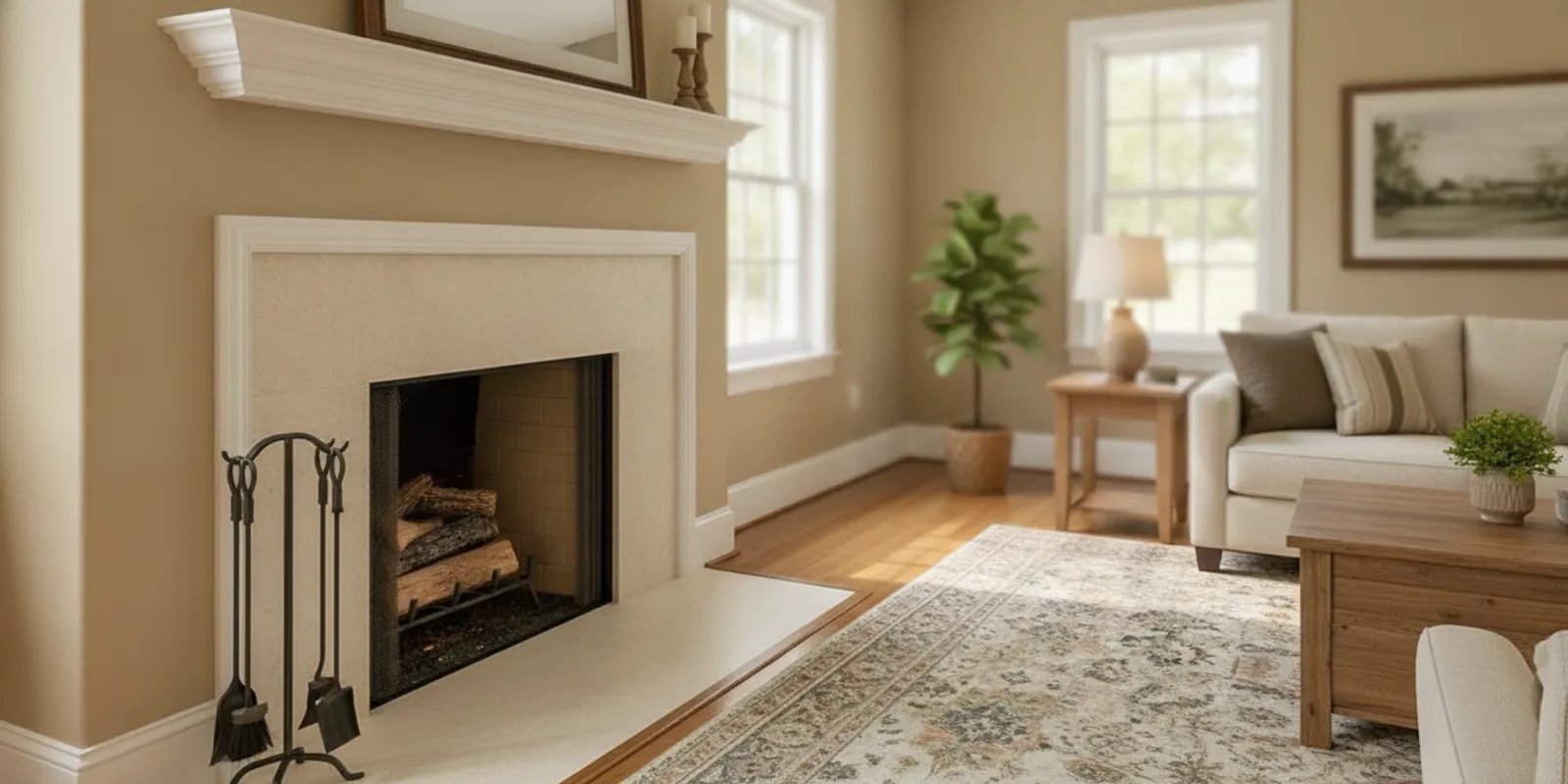
Knowing how to clean a fireplace starts with one rule: clean only a completely cool unit, and keep routine surface cleaning separate from chimney or gas-appliance work. A tidy hearth helps keep dust and loose ash under control, but it does not replace an inspection of the flue or repairs to a damaged fireplace. Use this guide for a wood-burning fireplace or gas unit, and check the manufacturer’s instructions before touching components.
What should you check before cleaning a fireplace?
First identify what kind of fireplace you have. A wood-burning firebox collects ash and soot. A gas fireplace has burner parts, logs, and often a glass panel that should be handled according to the specific model’s instructions. Electric fireplaces have electrical components and usually need only surface care described in their manual. If you are not certain which type you have, locate the model label or ask the installer or manufacturer before proceeding.
Do not start if the fireplace, embers, or ash may still be warm. Ash can hide hot material after a fire appears to be out. Wait until everything is cold to the touch, and do not rely on a fixed number of hours as proof. If you are unsure, leave it alone longer. Before beginning, look for loose or damaged bricks, a cracked firebox, a broken screen or door, heavy soot around the opening, or an unusual smell. Stop if anything seems unsafe.
- Keep children and pets away from the work area.
- Open a nearby window if you need ventilation, and avoid stirring up dust.
- Wear work gloves and a well-fitting dust mask; ash and soot can become airborne.
- Use a dedicated metal shovel and metal container for wood ash, not a household vacuum or plastic bin.
- Check the fireplace manual and any care instructions for the hearth material.
If smoke has entered the room, you see signs of a flue blockage, or a carbon monoxide alarm sounds, stop using the fireplace and address the safety concern. Do not treat surface cleaning as a fix for a venting problem.
What supplies do you need?
Gather only what suits your fireplace and its finish. For a wood-burning firebox, use a small metal shovel, a metal ash container with a tight-fitting lid, a stiff brush reserved for fireplace use, and a dustpan. A soft brush and microfiber cloth can handle the outer surround. Use mild soap diluted in water only on surfaces that tolerate it, and test it in a hidden spot first.
For glass, stone, brick, tile, painted wood, or metal, follow the surface maker’s care instructions. Abrasive pads, strong acids, bleach, and general-purpose sprays can stain, scratch, or damage finishes. Do not mix cleaning products. Avoid using a regular household vacuum on ash; fine particles can pass through filters or damage the appliance. A fireplace-ash vacuum is different, but it should be used only as its manufacturer directs and only when ash is fully cold.
Put a drop cloth or washable mat in front of the hearth to catch debris. Keep a separate cloth for soot so you do not spread dark marks onto clean surfaces. If you are also cleaning nearby furniture, use a product suitable for that finish; our wood furniture care guide covers safer surface-by-surface handling.
How do you clean a wood-burning fireplace step by step?
1. Confirm the firebox and ash are fully cold
Check carefully before you move anything. Do not reach into ash with an unprotected hand. If you find warmth, glowing material, or uncertainty, stop and let the fireplace cool further. Never pour water onto a fire or hot ash as a shortcut; it can create steam, spread residue, and make a mess.
2. Remove ash without spreading it
Lay down your drop cloth. Use the metal shovel to lift ash slowly into the lidded metal container. Leave a thin layer of ash if your fireplace manual recommends it for operation; otherwise follow the instructions for your unit. Avoid sweeping quickly, which sends fine dust into the room. Close the container after each small load and keep it outdoors on a noncombustible surface, away from buildings and anything that can burn. Ash may conceal embers, so do not put it in a plastic bag, household trash container, garden, or compost until you are certain it is completely cold and local disposal directions allow it.
3. Brush the firebox gently
Once loose ash is contained, use a fireplace brush to collect remaining debris from the floor and accessible firebox surfaces. Work from the back toward the opening, with slow strokes. Avoid scraping mortar, firebrick, refractory panels, or metal liners. These parts can be damaged by aggressive brushing, and cracks or loose pieces are a reason to stop and arrange an assessment rather than scrub harder.
4. Wipe the hearth and surround
Clean the hearth based on its material. For durable sealed tile or stone, a slightly damp cloth with a small amount of suitable mild cleaner may be enough. Blot rather than saturate porous stone, and dry it promptly. For brick, test a hidden area before using water because moisture can draw soot into the surface. Painted surrounds and wood mantels need a gentle, finish-compatible cloth; keep liquid away from joints, vents, and the firebox opening.
Use a separate clean cloth for the mantel and nearby ledges. If black residue smears, stop wiping and lift what you can with a dry cloth or suitable brush first. Adding water too soon can turn dry soot into a stain. Never assume a cleaner safe for the hearth is also suitable for glass, metal, or a painted mantel.
5. Clean the screen or doors
Remove a fireplace screen only if it is cool and designed to be moved easily. Brush loose dust outdoors or over the drop cloth. Wipe metal with a compatible cleaner and dry it to prevent water marks or rust. For glass doors, consult the manual; fireplace glass can require a specific cleaner, and ordinary household glass spray may leave residue or damage a coating. Do not clean or adjust seals, hinges, or vents unless the manufacturer explicitly describes routine user care.
How should you clean gas and electric fireplaces?
For a gas fireplace, turn it off and allow the entire unit to cool. Follow the manual for shutting off the appliance before routine cleaning. The safe scope for a homeowner is generally limited to accessible exterior surfaces and glass when the manufacturer permits it. Do not move gas logs, brush the burner, poke into pilot openings, or take apart the unit. Their placement and condition affect operation. If the manual does not clearly explain a task, leave it to a qualified gas-fireplace technician.
Use only the glass-care method specified for your model. Some glass panels need a particular product, and residue from the wrong cleaner may bake on when the fireplace is used. Refit a panel only as the manual instructs. If you smell gas, do not operate switches or try to clean the fireplace. Leave the area and contact the gas utility or emergency services from a safe location, following local safety guidance.
For an electric fireplace, switch it off, unplug it if the manual says to do so, and wait for it to cool. Dust exterior surfaces with a soft, dry cloth. Do not spray liquid into vents, openings, controls, or the heater. Clean simulated logs or glass only as directed. If a cord is damaged or the unit makes unusual sounds, stop using it and contact the manufacturer or a qualified repair professional.
Which cleaning method fits your fireplace?
| Fireplace or surface | Routine homeowner care | Leave to a qualified professional |
|---|---|---|
| Wood-burning firebox | Remove fully cold ash carefully; brush accessible loose debris. | Flue and chimney inspection, sweeping, repairs, blockages, or damaged firebrick. |
| Gas fireplace | Cool the unit; clean accessible exterior or glass only as the manual allows. | Burner, pilot, gas connections, log placement, service, or anything not explained in the manual. |
| Electric fireplace | Switch off and dust exterior surfaces using the manual’s directions. | Electrical, heating, wiring, or internal component problems. |
| Stone, brick, tile, or wood surround | Use a compatible gentle method, test a hidden spot, and avoid excess moisture. | Deep stains, damaged finishes, loose masonry, or repair needs. |
How often should you clean a fireplace?
There is no single surface-cleaning schedule for every home. Clean loose ash after use only once the firebox and all ash are fully cold, and wipe the hearth when dust or debris is visible. How often you need to do this depends on how frequently the fireplace is used, the amount of residue, and the manufacturer's directions. Keep the area clear of paper, kindling, and other items that do not belong near an operating fireplace.
Routine cleaning does not tell you whether a chimney is safe to use. The Oakland Community College safety guidance recommends annual chimney cleaning and inspection; see its fireplace safety tips. The condition and use of an individual system can affect what maintenance is needed, so ask a qualified chimney professional about the appropriate inspection and cleaning plan for yours. Never infer that a clean-looking firebox means the flue is clear.
Wood condition matters, too. West Virginia University Extension explains that properly seasoned firewood is important for reducing creosote buildup and flue-fire risk in its guide to preventing flue fires. Use the fuel recommended for your appliance, and do not burn trash, treated wood, or materials prohibited by the manufacturer.
What fireplace cleaning mistakes should you avoid?
- Assuming ash is cold because the flames are gone. Hidden embers may remain. Check carefully and wait if there is any doubt.
- Using a household vacuum. Fine ash can escape or damage it. Use a shovel and lidded metal container, or an appropriate ash vacuum according to its instructions.
- Scrubbing soot with water first. Wet soot may smear and stain. Lift dry residue gently before choosing a compatible cleaning method.
- Using one cleaner on every surface. Glass, stone, brick, painted finishes, and metal have different care needs. Test a hidden area and follow product and manufacturer directions.
- Moving gas logs or cleaning the burner yourself. Leave components in place unless the manual specifically gives a safe user procedure.
- Treating a clean hearth as a chimney inspection. The flue and chimney are not fully visible from the room. Surface appearance cannot confirm their condition.
- Ignoring warning signs. Stop using the fireplace if smoke spills into the room, a carbon monoxide alarm activates, or you notice damage, blockage, or unusual odors.
When should you ask for professional help?
Call a chimney professional for inspection, sweeping, flue issues, creosote concerns, a damaged chimney cap, or masonry and firebox repairs. Ask a qualified gas-fireplace technician about burner trouble, pilot problems, unusual flame behavior, gas odors, or components that need service. A home cleaning service is not a substitute for either type of specialist.
Clear Choice Home Cleaning Services LLC is a locally owned, veteran-owned cleaning company based in Alpharetta and serving Metro Atlanta. Michael A. Jones is the owner. The company provides residential and commercial cleaning; it is not a chimney-sweeping or fireplace-repair service. If you need help with general home cleaning alongside fireplace-area upkeep, review the available cleaning services or read the cleaning service FAQs to see whether your request is a fit. Homeowners, apartment residents, landlords, and property managers can request an estimate based on their needs rather than rely on a fixed price.
For questions about the company or service area, use the contact page. If a home needs broader seasonal attention, you can also use this deep cleaning guide to plan ordinary room-by-room cleaning; it does not cover chimney maintenance.
Frequently Asked Questions
Can I vacuum fireplace ash?
Do not use an ordinary household vacuum for fireplace ash. Even when it looks cool, fine particles can escape the filter or harm the vacuum. Use a metal shovel and lidded metal container for fully cold ash, or a purpose-built ash vacuum only as its manufacturer directs.
Can I clean the chimney from inside the fireplace?
Routine cleaning of the firebox does not clean or inspect the full flue. Chimney inspection and sweeping require appropriate equipment and expertise, so contact a qualified chimney professional rather than reaching into the flue or attempting a makeshift cleaning.
What if soot is stuck to the brick?
Start with a dry, gentle brush and test any proposed cleaner in an inconspicuous spot. Brick and mortar vary, and moisture or harsh products can set stains or damage a finish. For extensive soot or delicate masonry, ask a masonry or fireplace-cleaning specialist for advice.
How do I know whether the fireplace is ready to use again?
After routine cleaning, make sure surfaces are dry and all doors, screens, or parts you moved are returned as instructed by the manual. That does not confirm the chimney or appliance is safe. Follow the inspection schedule for your system, and do not use it if there is visible damage, smoke trouble, or an unresolved warning sign.
What is the safest way to get started?
Identify your fireplace type, read its instructions, and wait until every part and any ash are completely cool. Clean only the accessible surfaces you can handle safely, and leave chimney, gas, electrical, or repair work to the right qualified professional.