
Apartment Cleaning Checklist: What to Clean Before You Move In or Out
Published · Clear Choice Home Cleaning Services
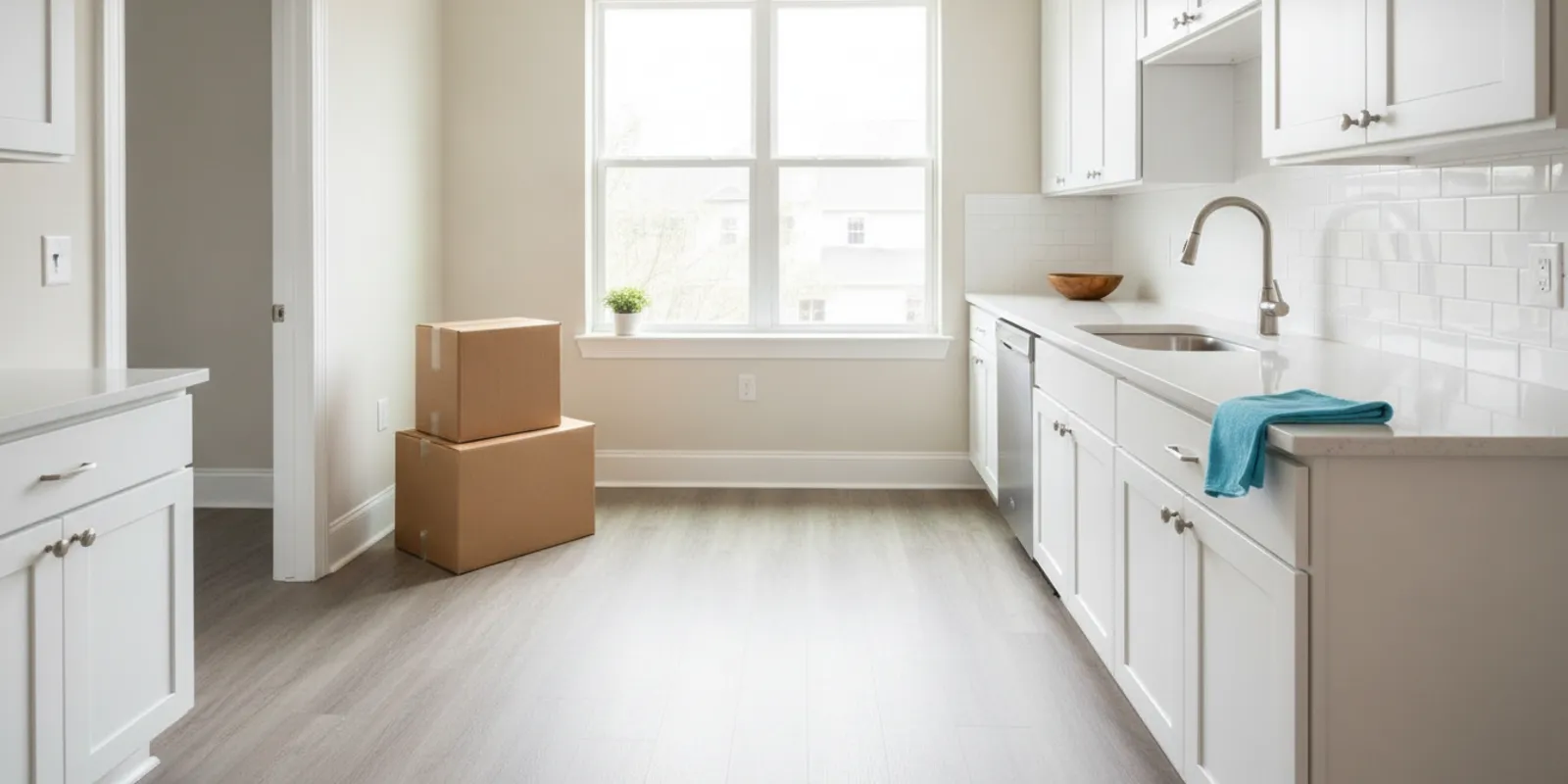
An apartment cleaning checklist helps you clean systematically during a move, whether you are preparing a new home or leaving a rental. The key is to plan around access, finish high surfaces before floors, and keep the lease or property instructions close by. This guide lays out a workable room-by-room sequence, explains what to check before you start, and helps you decide when a move-in/move-out cleaning estimate may be useful.
Request an apartment cleaning estimate
What should you confirm before cleaning an apartment?
First establish what “clean” means for this particular move. A move-in clean usually happens before furniture and boxes fill the rooms. A move-out clean is easier after belongings are removed and closets are empty. If you rent, the lease, written move-out instructions, and any inspection checklist take priority over a general online list. A checklist can help organize your work, but it cannot promise a deposit result or replace instructions from the property manager.
Do a walk-through before unloading supplies. Note visible soil, sticky areas, dust, and surfaces that might need special care. Identify anything that appears damaged or needs repair, and report it through the property’s normal process rather than trying a harsh cleaning method. If the apartment is occupied or furnished, decide which surfaces are accessible without moving heavy or awkward items.
- Confirm whether the apartment is empty, partly furnished, or still occupied.
- Read the lease or property checklist and flag any requested tasks that differ from routine cleaning.
- Make a simple room list and note priorities, such as kitchen appliances, bathroom fixtures, closets, or floors.
- Set aside a bag for rubbish and a box for belongings that still need to leave.
- Check product labels and care guidance for the surfaces you will clean; do not assume one product suits every material.
The University of Wyoming apartment cleaning checklist is a useful reference for common tasks such as cabinets, showers, mirrors, sinks, and counters. Treat it as a starting point, then adapt it to your apartment and written requirements.
What supplies and sequence make the work easier?
Gather supplies before starting so you do not leave a half-finished room to search for a cloth. A practical basic kit can include microfiber cloths, a vacuum, broom or dustpan, mop, suitable all-purpose cleaner, glass cleaner, and bathroom cleaner. Add gloves if product directions call for them. Use cleaners only on surfaces their labels say they are suitable for, and never mix products. Keep supplies away from children and pets.
Use a consistent top-to-bottom sequence. Dust reachable high surfaces first, then clean counters and fixtures, then vacuum or sweep, and finish with floors. This keeps dust and crumbs from landing on work you just completed. Work one room at a time, but complete shared tasks—such as vacuuming the whole unit—only after the room surfaces are ready. If a product needs contact time, follow its label and do another safe task while you wait.
| Area | Core tasks | Final check |
|---|---|---|
| Kitchen | Wipe cabinet fronts, counters, backsplash, sink, faucet, and appliance exteriors. | Look for crumbs, grease, and water spots. |
| Bathroom | Clean mirror, sink, counter, toilet, tub or shower, and floor. | Check corners, fixtures, and visible residue. |
| Living and sleeping areas | Dust reachable surfaces, wipe handles and switches, vacuum or sweep floors. | Check edges, corners, and closet floors. |
| Entry and hall | Remove loose debris, wipe reachable trim and marks, and clean the floor. | Check behind doors and near the threshold. |
| Whole apartment | Remove rubbish and personal items; clean accessible glass. | Walk through against property instructions. |
How do you clean the kitchen from top to bottom?
Start by removing food, dishes, and loose debris. Work through cabinet fronts and handles, then backsplash and counters. Use a cloth and product suited to the finish; for unfamiliar materials, check care guidance before applying cleaner broadly. Clean the sink and faucet after the surrounding counter so you can see remaining spots clearly. Finish appliance exteriors according to their surface and manufacturer guidance.
Do not assume inside cabinets, oven interiors, refrigerators, or other appliance interiors are included in every move-out requirement. Check the lease or written instructions, and decide what is appropriate for the apartment. If you are cleaning an empty unit, open drawers and cabinets only where access is allowed and remove crumbs or dust you can reach without damaging the finish.
Vacuum or sweep the kitchen floor before mopping. Use a floor-safe product sparingly and avoid leaving standing water. A small section-by-section approach helps reveal missed edges beneath cabinet fronts. For more detail on a room sequence, see Clear Choice’s step-by-step kitchen cleaning guide.
What should you clean in the bathroom?
Put personal items away and clear the counter. Clean the mirror, sink, counter, and faucet; then address the toilet, tub, and shower with appropriate products. Follow each label for application, ventilation, contact time, and rinsing. Keep separate cloths for bathroom fixtures and other rooms. Never combine cleaners, even when one product seems slow to work.
Look closely around the base of fixtures, corners, and visible soap residue. Use a gentle method first, especially on finishes or materials you do not recognize. If a mark does not lift easily, stop and check the material’s care instructions rather than using an abrasive tool that could scratch it. Finish by clearing loose debris from the floor and mopping with a suitable product. The bathroom cleaning guide offers an additional step-by-step reference.
How should you handle bedrooms, living areas, and closets?
Remove remaining personal items and rubbish, then dust reachable surfaces. Check window ledges, shelves, baseboards, and reachable trim. Wipe frequently touched handles and switches with a suitable cloth. Vacuum carpet or rugs; sweep or mop hard floors using a product designed for that surface. If a room has a closet, look at the shelf and floor after it is empty. Check behind open doors and in corners where dust can settle.
For move-in cleaning, do this work before unpacking if timing allows. Empty rooms make it easier to reach corners and floor edges, and clean shelves are ready for belongings. For move-out cleaning, wait until furniture and boxes are out before judging the floors and walls. If an item remains in place, clean only the accessible area; move heavy furniture only if you can do so safely and without risking damage.
Visible wall marks need a careful approach. A damp cloth may be appropriate for some washable finishes, but not all paint or wallpaper tolerates moisture or rubbing. Test an inconspicuous spot when permitted and stop if the finish changes. A cleaning checklist should help you avoid rushed damage, not encourage aggressive scrubbing.
How do move-in and move-out checklists differ?
The room tasks overlap, but the timing and priorities are different. A move-in clean focuses on accessible surfaces before belongings arrive. A move-out clean focuses on empty spaces and on the written condition requirements for the rental. Use this comparison to plan the order, then add property-specific tasks rather than assuming every apartment has the same rules.
| Planning point | Move-in clean | Move-out clean |
|---|---|---|
| Best access | Before furniture and boxes are brought in. | After belongings are removed and closets emptied. |
| Main priority | Prepare reachable surfaces, shelves, fixtures, and floors for use. | Follow lease and property instructions; inspect empty areas and visible residue. |
| Useful final check | Confirm key surfaces are ready before unpacking. | Compare each room with the written move-out checklist. |
| What to document | Note existing concerns through the property’s normal process. | Keep track of completed work and report damage through the normal process. |
For either type, clarify access and timing before the day of the move. If keys, elevators, loading areas, or building rules affect your schedule, account for them in your plan. A short written list of priorities helps prevent a last-minute decision about what matters most.
What often gets missed in an apartment clean?
Small areas are easy to overlook when the move is underway. Add these points to your walk-through if they apply to your unit:
- Door handles, light switches, and reachable trim.
- Window ledges and other reachable horizontal surfaces.
- Closet floors, corners, and the space behind open doors.
- Visible dust or crumbs near the edges of floors.
- Water spots on faucets and mirrors, and residue around fixtures.
- Rubbish, cleaning supplies, and personal items that must leave with you.
- Accessible glass, while avoiding unsafe reaching or climbing.
These are observation points, not permission to use a product on every surface. When something is unfamiliar, pause to check its care instructions. If the apartment has a problem that looks like damage rather than ordinary soil, do not try to hide it with a stronger cleaner; report it through the property’s established channel.
How can you organize the work when time is limited?
When a moving deadline is close, decide what must be done and what can wait before you begin. Write the rooms in order of access and importance. For a move-in clean, tackle the kitchen and bathroom before unpacking those spaces, then complete bedrooms and living areas. For move-out, remove belongings first, then clean rooms and do the final walk-through after floors are dry.
If you have help, divide work by room or by task, but keep one person responsible for checking the list. Give each helper a clear area and explain which products and cloths belong there. Avoid having several people use the same supplies across bathroom and kitchen surfaces. Leave enough time for product directions and drying; rushing those steps can lead to residue or a slippery floor.
A simple example: if the kitchen is empty but a bedroom still contains boxes, clean the kitchen fully while access is good. In the bedroom, clear a path and handle reachable surfaces without shifting heavy items. Return to the floor when the boxes are gone. This staged plan is more realistic than marking a room complete when important areas are still blocked.
What final checks help before you leave or unpack?
- Walk through every room in the same order as your written list.
- Look at counters, sinks, mirrors, appliance fronts, and fixtures for visible residue.
- Check floor edges, closet floors, entryways, and behind open doors.
- Remove rubbish, personal belongings, and cleaning supplies.
- Confirm floors are safe to walk on and follow any product drying directions.
- Compare the completed work with lease or property instructions.
A record of completed tasks can help you manage your own process, but it does not replace documentation or steps a landlord or property manager requests. If you notice damage or a repair issue, use the property’s normal reporting process. Avoid making claims about the apartment’s condition that you cannot verify.
When is apartment cleaning help useful?
Help may be useful when a move leaves little time for a room-by-room clean, when you want an empty apartment reset before unpacking, or when a property manager is preparing a unit for its next occupant. Clear Choice Home Cleaning Services LLC is a locally owned, veteran-owned company based in Alpharetta and serving Metro Atlanta. Its apartment cleaning is quote-based, so the requested work can be discussed for the property and situation.
When requesting an estimate, share the apartment’s location, approximate size, current condition, preferred timing, and whether the request is for move-in or move-out cleaning. Mention whether the unit is empty and list any priorities or written requirements you want to discuss. That context makes it easier to clarify scope without assuming that every apartment or turnover needs identical work. You can review the apartment cleaning service, the move-in/move-out cleaning information, and the contact page as you prepare your questions.
Clear Choice is locally owned and operated, and owner Michael A. Jones handles scheduling and personally calls to check in near the end of service. If you value direct communication, include your preferred contact method and timing when you ask about an estimate. Do not rely on a general checklist to define an individual service; confirm what is requested before making arrangements.
Request a tailored apartment cleaning estimate
Frequently Asked Questions
Should I clean before or after moving boxes?
When possible, clean a new apartment before bringing in boxes and furniture so you can reach more surfaces. For a move-out clean, wait until belongings are removed so floors and closets are accessible.
Does an apartment cleaning checklist guarantee a deposit return?
No. A checklist cannot guarantee a deposit outcome. Follow your lease and written property instructions, and ask the property manager about unclear requirements.
Can I use the same cleaner on every surface?
No. Check each product label and surface guidance before use. Some materials need specific care, and cleaning products should never be mixed.
What information should I provide when asking for an estimate?
Share the apartment’s location, approximate size, condition, timing, whether it is move-in or move-out cleaning, and the priorities you want to discuss. Ask about the scope for your specific situation.
What is the safest way to get started?
Start with the written requirements, gather surface-appropriate supplies, and work through one room at a time from high surfaces to floors. A careful final walk-through helps you catch missed areas without rushing or using unsuitable products.