Medical Office Cleaning: A Practice Guide
Published · Clear Choice Home Cleaning Services
Medical office cleaning is the recurring care of a clinic's public and staff spaces, not a general office tidy and not a substitute for the practice's own infection-control duties. A useful plan names waiting rooms, exam rooms, restrooms, and staff areas, then says how often each one is visited and what the cleaning team should leave alone. Clear Choice Home Cleaning Services builds quote-based office and workspace cleaning for practices in Alpharetta and nearby communities, including one-time and recurring visits.
Request a medical office cleaning quote
This guide is for office managers, practice administrators, and owners who need a scope they can hand to a cleaning provider. It stays on zones, timing, and handoff. For a general workplace plan that covers conference rooms and breakrooms, use the office cleaning plan guide instead of stretching this page to fit every business.
What Medical Office Cleaning Should Cover
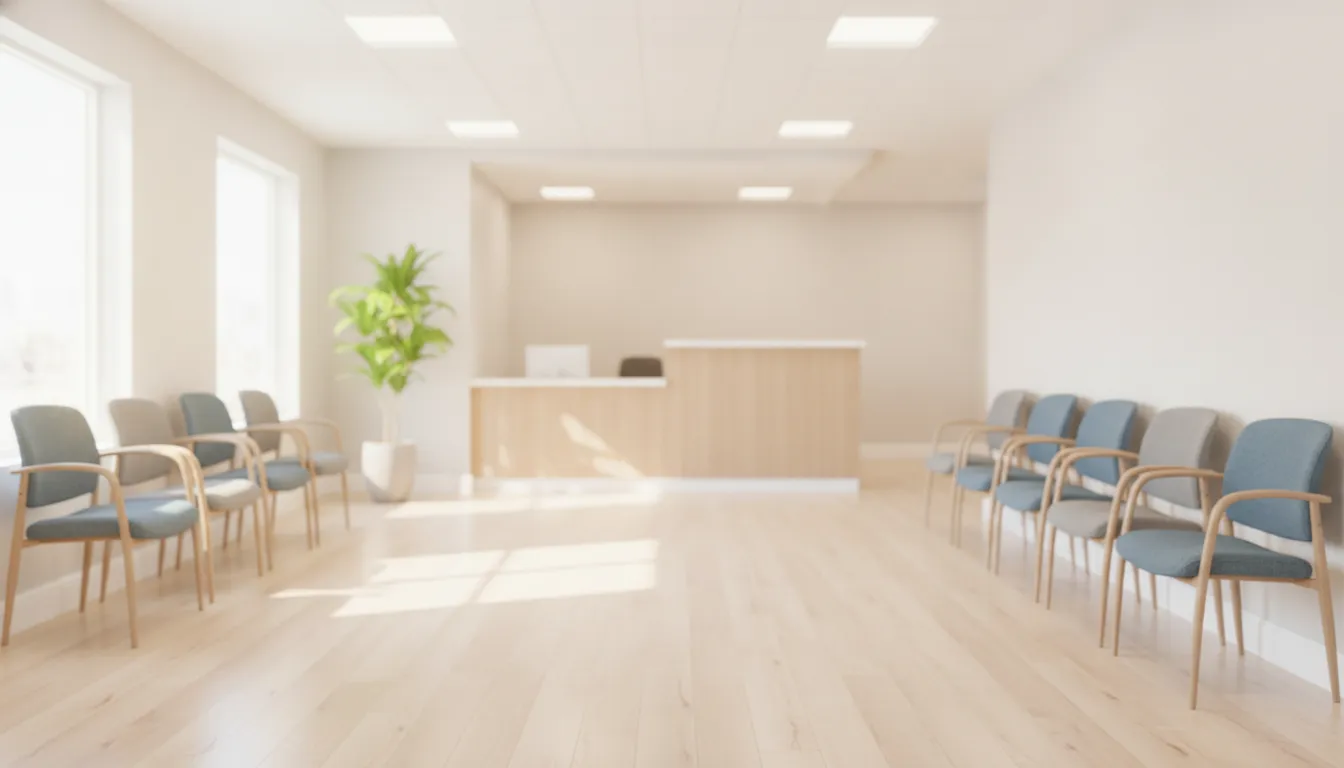
Start with the rooms patients and staff actually use, not a single "whole office" line. A small practice often has a waiting room, a front desk, two or three exam rooms, a restroom, a lab or work nook, and a staff area. Each room collects different soil. A waiting room gets shoe traffic and hand contact. An exam room gets paper, lotions, and frequent touch on counters and chair arms. A restroom needs sanitizing on fixtures. A staff room is closer to a breakroom.
Clear Choice office and workspace cleaning covers desks and surfaces, restrooms, breakrooms, floors, entry and waiting areas, trash removal, and high-touch wiping. The team brings supplies and equipment, so the practice does not need to stock a closet for routine visits. Scheduling can be one-time, daily, weekly, bi-weekly, monthly, or a custom rhythm that matches patient hours.
Name the boundary in writing. Environmental surfaces in health-care settings can hold germs, and the Centers for Disease Control and Prevention notes that transfer to people is largely through hands that touch those surfaces. Cleaning removes visible soil so later disinfection can work. That public-health point is not a license for a cleaning crew to process instruments, handle regulated medical waste, or choose hospital-grade chemicals for semicritical devices. Those steps belong to the practice's clinical protocol. A housekeeping visit should stick to floors, furnishings, restrooms, and the nonclinical surfaces the practice lists.
Use the table below as a planning sheet, not as a promise of a fixed package. Ask the provider to confirm which rows are in the recurring visit and which rows are occasional.
Medical office zones to scope before a quote
| Zone | Typical focus | Question for the provider |
|---|---|---|
| Waiting room and entry | Floors, seating, door glass, and handles | How often is this zone cleaned on patient days? |
| Front desk | Open counters, chairs, and nearby floors | Which papers and devices must stay untouched? |
| Exam rooms | Floors, sinks, open counters, and chair arms | What is off limits between patients? |
| Restrooms | Fixtures, floors, mirrors, and dispensers | Is restocking supplies part of the visit? |
| Staff area | Counters, tables, sink, and trash | Is this daily, or on a lighter rotation? |
How to Separate Clinical Duties From Housekeeping
The most common scope mistake is blending two jobs. Clinical staff already wipe exam surfaces between patients, change table paper, and follow the practice's disinfectant instructions. A cleaning crew that arrives after hours should not repeat that protocol with a different product. The crew also should not skip floors and restrooms because clinical staff already wiped counters. Write both jobs down so neither side assumes the other did the work.
Keep these items on the practice side unless a written agreement says otherwise:
- Instruments, scopes, and any device that contacts a patient.
- Medication cabinets, specimen storage, and sharps containers.
- Regulated medical waste and anything marked as biohazard.
- Computers that display patient information, and open charts.
- Product choice for surfaces the practice must disinfect to a clinical standard.
Housekeeping can still include floors, waiting-room seating, restroom fixtures, breakroom counters, entry glass, and trash from ordinary bins. If an exam room needs the floor vacuumed and the sink cleaned after the last patient, say so. If the counter must be left for clinical staff, say that too. The CDC separates medical equipment surfaces, such as device knobs and handles, from housekeeping surfaces such as floors, walls, and tabletops. Use that split when you mark a floor plan. Equipment surfaces stay with trained clinical staff. Housekeeping surfaces can go on the cleaning visit.
Eco-friendly products are part of how Clear Choice cleans, including office visits. If your practice requires a specific disinfectant on a listed surface, name the product and who supplies it before the first visit. Do not assume a general office cleaner matches a clinic policy you have not shared.
When Should a Medical Office Be Cleaned?
Frequency follows risk and traffic, not a default weekly visit copied from a law office. CDC cleaning guidance for health-care settings ties frequency to three things: how likely a surface is to be contaminated, how vulnerable the people in that area are, and whether the surface is touched often. A busy pediatric waiting room is not the same risk as a quiet records closet. Your schedule should show that difference.
A practical Alpharetta practice often lands on a mix like this:
- Walk the clinic on a typical patient day and mark high-touch spots.
- Put restrooms, waiting-room floors, and entry glass on every patient day if traffic is steady.
- Schedule exam-room floors and open counters for after the last patient, or before the first, so care is not interrupted.
- Rotate lower-touch rooms, such as storage and private offices, on a weekly or bi-weekly pass.
- Add a one-time reset after construction, a move, or a season of heavier sick visits.
- Review the list when hours, providers, or room use change.
Timing matters as much as the task list. Early-morning cleaning can finish before patients arrive. Evening cleaning can reset rooms after the schedule ends. Midday visits only work if there is a quiet window and a staff member who can point the crew to empty rooms. Share the real hours, including late clinics and Saturday mornings, so the quote is not built on a nine-to-five guess.
Clear Choice serves Alpharetta and nearby areas including Cumming, Johns Creek, Roswell, Sandy Springs, Milton, and Suwanee. If the practice has a second suite in one of those communities, say whether both locations share one scope or need separate visit plans. Service-area details live on the areas we serve page.
What to Send Before You Ask for a Quote
A quote-based visit is only as accurate as the notes you send. Clear Choice does not publish package prices, and a medical office should not be priced from a house-cleaning sheet. Give the provider enough to see rooms, access, and limits.
Include these items in the first message or walkthrough:
- Address, suite number, and square footage if you know it.
- Room list: waiting, exam, restroom, lab nook, staff area, and any locked rooms.
- Patient days and the hours a crew may enter.
- How someone will unlock the suite, set an alarm, or meet the crew.
- Surfaces and rooms that are off limits.
- Whether restroom restocking, floor type, or glass is part of the ask.
- One contact who can answer questions after the first visit.
A short floor note beats a long policy manual. "Three exam rooms, one restroom, waiting room for twelve chairs, clean after 6 p.m. on Monday through Thursday, skip the medication closet" is enough to start. Add photos of odd floors or a crowded staff room if they change the time on site. If you want a one-time reset before a recurring plan, say that the first visit is larger than the weekly visit.
After the scope is clear, ask for the visit rhythm in plain language: which zones every visit, which zones weekly, and what is excluded. That sentence is the document you will use when a new front-desk lead takes over. It also keeps this request distinct from a general office plan. You are not buying a conference-room and breakroom package and hoping it covers exam rooms.
If disinfection of business surfaces is a separate question from routine cleaning, read the commercial disinfection guide and then decide what belongs in the clinic visit. Do not bury a disinfection program inside a vague "deep clean" line.
How to Keep Quality Steady After the First Visit
The first clean shows whether the scope was clear. The next month shows whether it holds. Pick one person at the practice to note misses while they are small. Examples include a restroom skipped on a late clinic day, a waiting-room floor left for the weekend, or papers moved on the front desk. Send that note to the same contact at the cleaning company. A shared thread beats a complaint that arrives three weeks later.
Walk the suite with the crew once after the first two visits. Point at the chair arms, the door push plates, the exam-room floor edges, and the staff-room sink. Agree on what "done" looks like in those spots. If a room is often still occupied at the scheduled time, change the window instead of hoping the crew can work around patients.
Update the scope when the practice changes. A new provider, a Saturday clinic, or a room that becomes a procedure space can make last quarter's plan wrong. Re-read the off-limits list at the same time. Locked medication rooms and biohazard containers should stay off the housekeeping list unless the practice has trained someone and written that exception down.
Clear Choice office cleaning is built around flexible scheduling, supplies brought to the visit, and eco-friendly products. Use those facts as the baseline, then add the clinic limits in your own words. The service overview on the office and workspace cleaning page is the commercial starting point. This article is the extra layer for practices that need exam rooms and waiting rooms called out on purpose.
How a First Medical Office Visit Should Run
A first visit should test the written scope, not surprise the practice with a deep clean of every drawer. Ask the provider to follow the room list you sent and to stop at locked doors. If you want a heavier reset before the recurring rhythm starts, label that visit separately. Later visits should not be judged against a one-time reset.
Before anyone arrives, clear the front desk of open charts and loose paperwork. Clinical staff should finish end-of-day instrument handling. Remove anything a housekeeping crew must not wipe. Leave ordinary trash accessible. If a restroom needs dispenser refills, say whether the practice supplies paper and soap or expects the crew to skip restocking.
On site, keep the sequence simple. Start with restrooms and the waiting room so public zones are done even if a staff member leaves early. Move to exam-room floors and allowed open counters only after those rooms are empty. Finish with the staff area, entry glass, and a short walk back through the waiting room. The person closing the suite should check lights, the alarm, and exterior doors against the access note.
After the visit, compare the result with the scope sentence, not with a mental picture of a hospital terminal clean. Floors, fixtures, and listed high-touch spots should look reset. Medication rooms, specimen storage, and sharps containers should look untouched. If something was missed, name the room and the surface in one message the next morning. That note is more useful than a general request to be more thorough.
Practices that share a building with other offices should also say how the crew reaches the suite. A locked lobby, a coded elevator, or a Saturday door that differs from the weekday entrance will change the arrival plan. Put that detail next to the alarm instructions, and name a backup contact if the primary manager is not on site.
Tell us about your practice and request a quote
Frequently Asked Questions
What is included in medical office cleaning?
A practical scope covers waiting rooms, front-desk surfaces that staff clear first, exam-room floors and open counters the practice allows, restrooms, staff counters, trash from ordinary bins, and entry glass. It does not automatically include instruments, sharps, medication storage, or regulated waste. Confirm the room list in the quote.
How is a medical office different from a regular office?
A regular office plan centers on desks, conference rooms, breakrooms, and shared work areas. A medical office adds exam rooms, a higher share of restroom and waiting-room traffic, and a hard line between housekeeping and clinical infection control. The visit window also has to respect patients in the suite.
How often should a small clinic be cleaned?
Match the rhythm to patient days. Many small practices want restrooms, waiting-room floors, and entry areas cleaned on days they see patients, with exam-room floors after hours and quieter rooms on a weekly rotation. There is no single schedule that fits every specialty. Send your hours and room count for a quote.
Do we need to supply products and equipment?
For Clear Choice office and workspace cleaning, the team brings supplies and equipment. If your practice requires a named disinfectant on certain surfaces, say which product and who provides it before the first visit. Eco-friendly products are the default unless you specify something else.
What should I have ready before requesting a quote?
Send the address, room list, patient days, entry hours, access notes, and anything the crew must not touch. A phone call works too: Clear Choice can be reached at (470) 622-8884, or you can use the contact form. Pricing is quote-based, so a room count beats a guess about cost.