
How to Clean Laminate Floors Without Streaks
Published · Clear Choice Home Cleaning Services
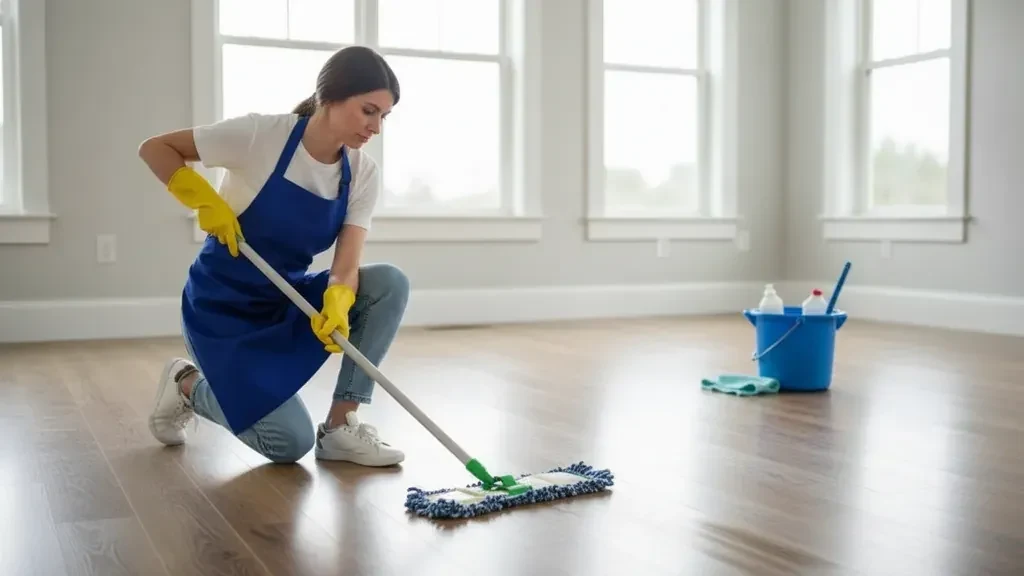
Streaks usually appear when fine grit, excess cleaner, or too much water is spread across the floor instead of removed. The reliable approach is simple: clear dry debris first, use a clean microfiber mop with controlled moisture, and finish before water can sit in the seams.
Request a quote for routine home cleaning
To learn how to clean laminate floors without streaks, follow your flooring manufacturer’s care instructions. Remove dust and grit with a dry tool, then lightly damp-clean in small sections with an approved product. Spray the mop rather than the floor, change a dirty pad, and use a dry pass when needed. Excessive saturation or standing water can swell and buckle laminate, so low-moisture cleaning is essential.
Once the cleaning method is controlled, the next step is identifying what is actually creating the cloudy or striped finish. That distinction helps you correct residue, moisture, or tool-related problems without adding another layer of cleaner.
What Makes Laminate Floors Look Streaky?
Streaks usually appear when cleaning does not remove the film evenly. A cleaner or soil residue can be spread across the surface instead of lifted away, especially when the same dirty pad is used over too much floor. Overlapping passes can also leave visibly different bands as one area receives more moisture or product than the next.
Moisture is another important factor. Laminate can tolerate some exposure to water, but excessive saturation, spills, or standing water can cause planks to swell and buckle. That makes a floor look uneven for a reason that goes beyond surface streaking. The Building America Solution Center recommends following the flooring manufacturer’s specifications for water-resistant flooring, so those instructions should take priority over any general cleaning method. Read the manufacturer-first water-resistant flooring guidance.
Residue and dirty cleaning pads
A pad that is already carrying dust, hair, or cleaner residue can redistribute that material. Instead of leaving a consistent finish, it may drag dull lines across the planks. Change or rinse the pad as soon as it becomes visibly soiled, and use only the amount of approved product recommended for your floor. If a cleaning solution is not specifically appropriate for the laminate, adding more of it is unlikely to solve the problem and may leave another film behind.
Too much moisture and uneven passes
A saturated mop can deposit more water than the surface needs. Spraying or wetting small sections evenly, then moving in controlled passes, helps limit overlap marks. Keep the pad damp rather than dripping, and do not leave puddles behind. If the floor remains wet, stop and remove the excess before continuing. When in doubt, check the flooring documentation for approved products, moisture limits, and drying instructions.
What Supplies Do You Need for a Streak-Free Laminate Floor?
Streak-free results usually come from using less moisture and cleaner, not from scrubbing harder. Gather a soft-bristle broom or a hard-floor vacuum without a rotating beater brush, clean microfiber mop pads, and a separate dry microfiber cloth for the finishing pass. Soft tools help remove dust and grit without adding unnecessary abrasion to the laminate surface.
Vacuuming is appropriate when the setting is gentle and the beater brush is turned off. Swiss Krono also recommends sweeping or vacuuming without a beater brush before damp cleaning, since loose debris can spread into muddy residue when it gets wet. Its laminate-care guidance recommends a microfiber dust mop and a laminate floor cleaner in a spray bottle.
Choose controlled moisture over a wet floor
Use a microfiber pad that is lightly damp, not dripping. If your product instructions allow spray application, spray the pad rather than the floor. That keeps the amount of moisture easier to control and reduces the chance of liquid settling into seams. Excessive saturation, spills, or standing water can cause laminate planks to swell and buckle, so follow the care instructions supplied by your flooring manufacturer. Building America guidance on water-resistant flooring also emphasizes following manufacturer specifications.
For the cleaning solution, use only a product specifically approved for your flooring or recommended in its care guide. Avoid treating vinegar, dish soap, alcohol, or any homemade mixture as a universal laminate-safe recipe. Products that leave soap or polish behind may create a dull or slippery film. Keep one clean pad available for the final pass, then run the dry finishing cloth over any remaining haze or moisture.
How to Clean Laminate Floors Step by Step
Learning how to clean laminate floors is mostly about controlling moisture and removing grit before it can scratch the surface. Use your flooring manufacturer’s care instructions as the final authority, especially if they specify a particular cleaner or method.
- Remove loose debris first. Sweep with a soft broom or use a vacuum without a beater brush. Pay attention to entryways, under tables, and other areas where sand, crumbs, and pet hair collect. Dry debris can act like an abrasive when it is dragged across the floor during damp cleaning. A microfiber dust mop is another suitable option for routine debris removal. Swiss Krono also advises avoiding a vacuum beater brush on laminate.
- Handle spills and spots before mopping. Blot fresh liquid promptly with a clean, absorbent cloth rather than allowing it to sit. For dried food or tracked-in residue, use the least aggressive method allowed by your floor’s care instructions. Work on the spot instead of spreading it across a larger area. Laminate can tolerate some exposure to water, but excessive saturation or standing water can cause planks to swell and buckle, according to the Building America Solution Center.
- Prepare a thoroughly wrung microfiber pad. Use a clean microfiber mop pad and only the manufacturer-approved laminate cleaner, if one is specified. The pad should be damp, not wet enough to leave a trail of water. For spray products, apply the product to the mop rather than directly to the floor. Do not improvise a vinegar, soap, or other mixture as a universal solution. Too much product can leave residue, while too much water increases the risk of moisture damage.
- Clean in small sections. Move the damp microfiber pad over one manageable section at a time, following the plank direction when practical. Use light, even passes instead of scrubbing aggressively. Rinse or change the pad when it becomes visibly dirty so you are not redistributing grit and residue. If the floor begins looking cloudy or streaked, stop adding cleaner and reassess the product, pad condition, and moisture level before continuing.
- Make a dry final pass. Check the floor for damp edges, puddles, or visible film as you finish. Use a clean, dry microfiber pad to remove remaining moisture and loosened residue. Good airflow can help the surface dry, but do not leave standing water while waiting. This final pass also gives you a chance to catch missed spots without repeatedly wetting the entire floor.
When a floor needs more than routine maintenance, a careful whole-home cleaning can address hard-floor buildup without turning the laminate into a saturated surface.
How Do You Remove Streaks From Laminate Floors?
Streaks usually point to one of three problems: cleaner residue, soil moved across the floor by a dirty pad, or moisture that has not dried evenly. Look closely at the pattern before cleaning again. A cloudy film or slippery feel may indicate residue. Dark lines that follow foot traffic may be soil. Broad dull patches or visible droplets suggest excess moisture. Do not assume that adding more cleaner will solve the problem. Soap, for example, can leave laminate slippery, according to Swiss Krono. Review the manufacturer guidance for that caution and related care advice.
Test the smallest practical area first
Choose a discreet section near a wall or beneath furniture. Remove loose grit, then use a clean, barely damp microfiber pad with only the product and amount permitted by your flooring manufacturer’s instructions. Work over a small area rather than rewetting the entire room. If the test area looks clearer after drying, continue in manageable sections. If the streak becomes worse, stop and reassess the cleaner, pad, or amount of moisture before proceeding.
Use less product and a cleaner pad
When residue is likely, stop adding cleaner. A fresh, lightly damp pad can lift remaining film more effectively than a saturated one. Change or rinse the pad as soon as it becomes visibly dirty, and do not drag soil from one section into the next. Keep moisture controlled because excessive saturation or standing water can cause laminate planks to swell and buckle. The U.S. Department of Energy’s Building America Solution Center also advises following the flooring manufacturer’s specifications: water-resistant flooring guidance.
Finish with a dry, clean microfiber pad to remove leftover moisture. Allow the surface to dry before judging the result under normal light. If streaks remain after a cautious test and dry pass, the issue may be embedded buildup, a damaged finish, or a product mismatch rather than a cleaning technique problem.
How Should You Clean Common Laminate Floor Spills and Spots?
For food and drink spills, act promptly with a clean, lightly damp microfiber cloth. Blot or wipe the affected area instead of spreading the spill across several planks. Follow with a second pass using a dry cloth so moisture does not remain along the seams. Laminate can tolerate limited exposure to water, but excessive saturation or standing water may cause planks to swell or buckle. So the floor should never be left visibly wet. Building America Solution Center recommends following the flooring manufacturer’s specifications for water-resistant flooring.
Sticky spots from juice, sauces, or other foods may need more than one gentle pass. Dampen the cloth rather than pouring cleaner onto the floor, and use only a product specifically approved for your flooring when the manufacturer’s instructions allow it. Change to a clean section of the cloth as residue lifts. This helps prevent moving the same soil back over the surrounding surface.
Removing tracked grit without scratching
Tracked-in sand, soil, and small stones should be removed while dry. Use a soft microfiber dust mop or a vacuum without a beater brush, then spot-clean any remaining mark. Do not scrub grit back and forth across the plank. Abrasive particles can act like sandpaper, particularly in busy entryways. A mat at entrances and prompt dry cleaning can reduce the amount of debris that reaches the floor.
Handling hardened residue
For dried food or residue, place a barely damp cloth over the spot briefly to soften it. Wipe gently once it loosens, then dry the area. Avoid metal blades, abrasive pads, and aggressive scraping. Before using a solvent, specialty cleaner, or any unfamiliar method, check the flooring instructions and test the approved product in a small, inconspicuous area. If the residue covers a large area or keeps returning, a professional deep-cleaning service may be a more careful option than escalating to stronger chemicals.
Which Cleaning Methods Can Damage Laminate?
Laminate can handle routine care, but the wrong cleaning method may leave residue, dull the surface, or allow moisture into plank joints. Before trying a new product or tool, check the flooring manufacturer’s instructions. Product construction and finish can vary, so general advice should not override the care guide for your specific floor.
High moisture and steam
Steam mops and soaking wet mops deserve particular caution. Heat and moisture can work into seams, especially when water sits on the floor or the mop leaves puddles behind. Excessive saturation, spills, or standing water can cause laminate planks to swell and buckle, according to the U.S. Department of Energy’s Building America Solution Center. Its guidance also recommends following the flooring manufacturer’s specifications: water-resistant flooring still requires manufacturer-approved care.
For lower-moisture cleaning, use a properly wrung microfiber pad and work in manageable sections. Do not assume that a steam setting labeled safe for another hard floor is appropriate for laminate. Use steam only if the flooring manufacturer specifically permits it.
Wax, polish, oil, and unverified mixtures
Wax, oil-based products, and polish can leave a film or create an appearance the laminate finish was not designed to support. Soap-based products may also leave the floor slippery or coated. Swiss Krono specifically warns that soap can make laminate floors slippery. Read the label and use only a cleaner approved for your floor. Avoid combining vinegar, dish soap, disinfectants, or other household products unless the manufacturer provides that exact formula for your flooring.
Abrasive tools and rotating brushes
Steel wool, scouring pads, stiff scrubbers, and abrasive powders can scratch or wear the protective surface. Rotating carpet brushes and vacuum beater bars can be too aggressive as well. Choose a soft microfiber dust mop or a vacuum setting without a beater brush. If a spot needs more work, soften the residue according to the manufacturer’s directions and use a gentle tool rather than increasing pressure.
When in doubt, test the approved method in a small, inconspicuous area first. Stop if the finish changes, the surface becomes cloudy, or moisture remains at the seams.
How Often Should Laminate Floors Be Cleaned?
There is no single schedule that fits every laminate floor. The right frequency depends on foot traffic, pets, children, outdoor grit, and how quickly dust or spills appear. A low-traffic bedroom may need less attention than an entryway, kitchen, or hallway.
For a useful starting point, Lowe’s suggests weekly maintenance cleaning, while other care guidance recommends adjusting the routine to the space. In busy areas, dry cleaning once or twice a week may be appropriate. Less-used areas may only need dry cleaning every week or two. Treat these as examples, not universal rules.
Dry debris removal is usually the most frequent task. Sweep or vacuum high-traffic zones whenever you notice grit, tracked-in soil, or visible crumbs. A vacuum should not use a beater brush, which can be too aggressive for laminate surfaces. Entryways may need attention more often during wet or muddy weather, while rooms that stay closed can go longer between cleanings.
Clean spills as soon as they happen rather than waiting for the next scheduled floor cleaning. Blot or wipe the affected area with a suitable, lightly damp microfiber cloth, then leave the surface dry. Excess water can contribute to swelling or buckling, so do not allow liquid to sit on the floor.
Use damp cleaning only when the floor needs it, and follow the flooring manufacturer’s instructions. Some guidance gives monthly mopping or a damp mop every two to three months as examples, but your floor’s finish and household conditions should control the decision. The goal is a clean surface with minimal moisture, not a rigid calendar.
| Cleaning task | When to use it | Streak-prevention focus |
|---|---|---|
| Dry debris removal. | Whenever grit, dust, or crumbs appear. | Use a soft tool and remove abrasive particles before moisture. |
| Spot cleaning. | As soon as spills or sticky spots occur. | Blot with limited moisture, then dry the area. |
| Damp cleaning. | When the floor needs a broader refresh. | Follow flooring instructions and use a thoroughly wrung microfiber pad. |
When Should You Hire Professional Floor Cleaning?
Routine care is often enough when laminate floors have light dust, a few spots, or everyday footprints. Professional help becomes useful when residue keeps returning after careful cleaning, buildup extends across several rooms, or the floors are part of a larger home reset. Repeated streaks may point to excess product, dirty cleaning pads, or soil that needs more controlled attention. If moisture damage is suspected, follow the flooring manufacturer’s guidance and address the underlying issue rather than simply adding more cleaning solution.
A professional service can also make sense before or after a move, when preparing a home for guests, or when a busy household has fallen behind on floor care. Clear Choice Home Cleaning Services provides quote-based residential cleaning in Alpharetta and across North Metro Atlanta. The team handles hard-floor mopping as part of house cleaning and can include floors in a deeper cleaning focused on built-up dirt and grime. Its team brings the needed cleaning supplies and equipment, so customers do not have to assemble a full set of tools.
For a broader reset, review this whole-home deep cleaning routine to see which overlooked areas may need attention alongside the floors. If you are comparing options for recurring upkeep or a one-time visit, the company’s professional home cleaning services page explains the available service categories. Request a quote with the home’s size, floor condition, and the rooms that need the most attention so the cleaning plan can match the actual scope.
Frequently Asked Questions
What is the best thing to clean laminate flooring with?
Start with a microfiber dust mop or soft vacuum setting to remove grit, then use a lightly damp microfiber mop with a cleaner approved for your flooring. Spray the mop rather than soaking the floor, and follow the manufacturer’s care instructions if they differ. Avoid adding extra soap or mixing products, since residue can leave the surface dull or slippery.
Can you use a wet Swiffer on laminate floors?
You may be able to use one if your flooring manufacturer permits that product, but do not assume every wet cleaning pad is safe for every laminate floor. Use the least moisture needed, keep the pad from becoming saturated, and do not leave wetness or pooled solution on the planks. Check the label and your flooring warranty before using it regularly.
What should you not clean laminate floors with?
Do not use soaking-wet mops, steam cleaners, abrasive scrubbers, wax, polish, or oil-based products unless the manufacturer specifically approves them. Excess moisture can cause laminate planks to swell or buckle, according to the U.S. Department of Energy’s Building America Solution Center: follow the flooring manufacturer’s specifications. Avoid vinegar, dish soap, or other homemade mixtures when their compatibility is unverified.
Why is my laminate floor still dirty after mopping?
Mopping may spread loose grit, soil, or cleaner residue instead of removing it, especially when the pad is dirty or the floor was not dry-cleaned first. Remove debris before damp cleaning, change or rinse the microfiber pad as it collects soil, use less approved cleaner, and finish with a dry pass if needed. Persistent film or buildup may require manufacturer-approved treatment rather than stronger household chemicals.
Get Started With a Cleaner Home
Keeping laminate floors streak-free takes a careful routine, but busy households may still need help maintaining the rest of the home. Clear Choice Home Cleaning Services provides quote-based residential cleaning, including hard-floor mopping, with supplies and equipment brought by the team.
Request a quote for professional residential cleaning
.