Pantry Cleaning Made Simple: How to Clean a Pantry Room by Room
Published · Clear Choice Home Cleaning Services
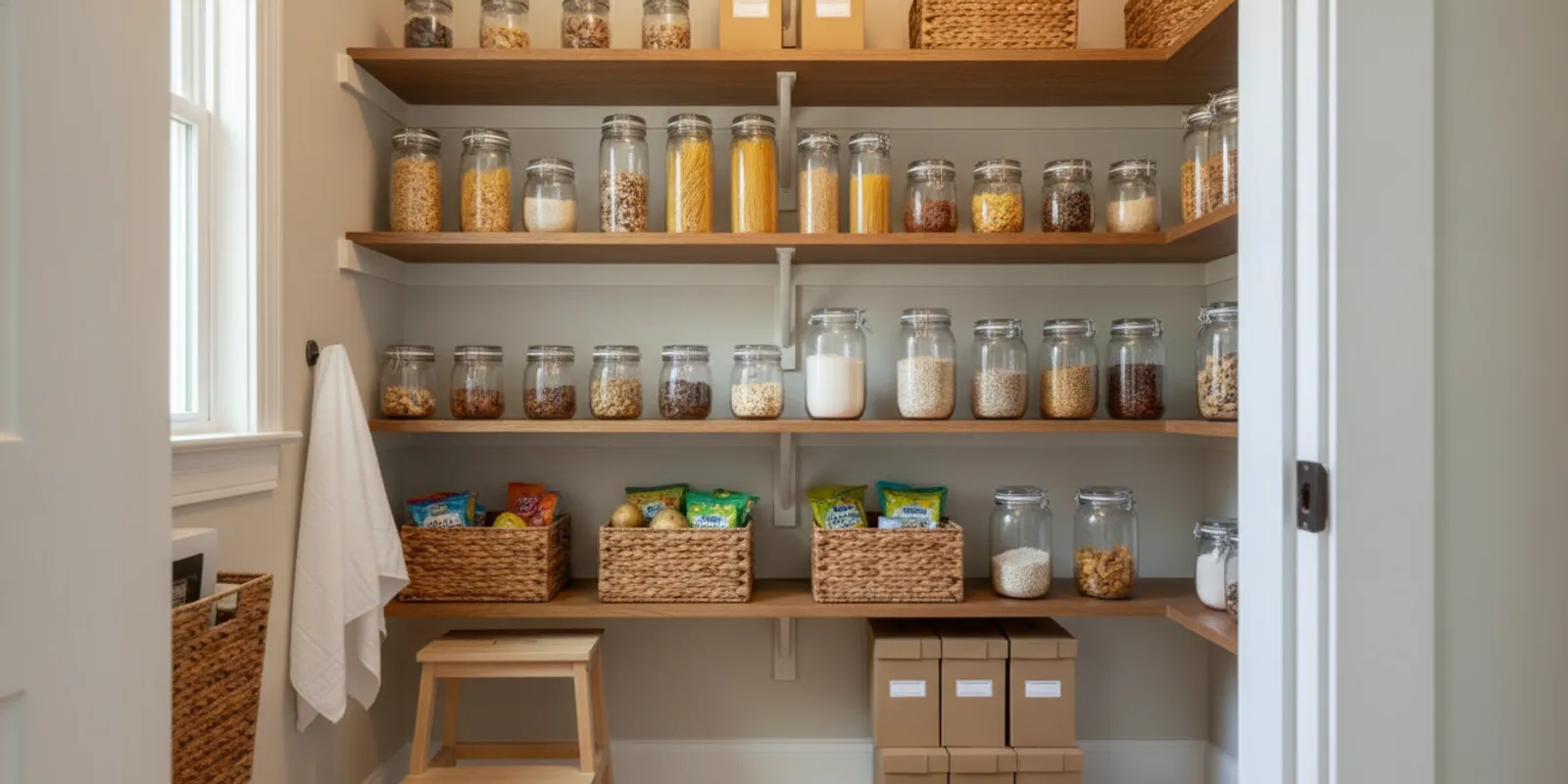
Knowing how to clean a pantry can make meal preparation easier and help you spot spills, damaged packaging, and food you no longer need. The job does not require a complicated system: clear one section at a time, clean the empty shelves, and put items back in useful groups.
What should you do before cleaning the pantry?
Choose a time when you can leave the pantry partly empty for a little while. If you are cleaning around meal preparation, work on a single shelf or a small zone instead of taking everything out at once. That keeps the food manageable and makes it easier to put away items that need to stay in a cool, dry place.
Gather a few basic supplies:
- A trash or recycling bag, as appropriate for your local collection rules
- A microfiber cloth or other clean, soft cloth
- Warm water and a small amount of mild dish soap
- A bowl or small bucket for cleaning solution
- A dry towel
- A vacuum with a crevice attachment or a small hand broom and dustpan
- A step stool, if you need one to reach high shelves safely
Read the care instructions for shelf surfaces before applying any cleaner. Avoid soaking wood, painted surfaces, or shelf liners. Never mix cleaning products, and use any product only as its label directs. If a shelf has a removable liner, check whether it can be washed before putting it in water.
Set aside a clear counter or table for sorting. Keep food away from cleaning solution and wet cloths. If you are working with a large pantry, a phone photo of each shelf before you move items can help you remember where things were stored.
How should you sort pantry food and containers?
Take items off one shelf at a time and group them on your sorting surface. This is easier than making a large pile of every item in the pantry. Check the package condition, date information, and whether the food still makes sense for your household. Discard food or packaging that you have decided is not safe or usable, following local disposal guidance.
Harvard Health advises emptying the fridge and pantry so you can assess food safety and inspect the inside of each space. That is a useful reason to include a quick food and shelf check in your reset, rather than simply moving containers around. Read Harvard Health's pantry and fridge cleaning advice.
As you sort, make a few practical groups:
- Keep: Unopened or properly stored items you expect to use.
- Use soon: Items you want to bring into your meal plans in the near term.
- Move elsewhere: Items that belong in another cabinet or storage area.
- Discard or donate: Items you will not use. Donate only food that is accepted by a local organization and meets its condition requirements.
Look closely at open bags, boxes, jars, and cans. Wipe the outside of containers if they are dusty or sticky. If you find a spill or signs of pests, remove nearby items and clean the affected area carefully. Check packaging before returning food to the shelf; damaged or contaminated packages should not go back with the rest of your supplies.
Do not assume every item should be transferred into a decorative jar. Original packages often carry useful ingredient, allergen, and storage information. If you do transfer something, label the container clearly for household use and keep the original information available when needed.
How do you clean pantry shelves and corners?
Once a shelf is empty, remove loose crumbs first. Use a vacuum crevice tool or a hand broom, paying attention to corners, shelf brackets, and the edges where crumbs collect. Starting dry helps avoid turning crumbs into damp residue.
- Work from the top down. Clean the highest shelf first so dust or crumbs do not fall onto an area you have already finished.
- Wipe with a lightly damp cloth. Use warm water with a small amount of mild dish soap if the surface needs it. Wring the cloth out well.
- Address sticky spots gently. Hold the damp cloth on a dried spill briefly to soften it, then wipe. Do not scrape with a sharp tool or flood the shelf.
- Rinse away soap residue. Use a second cloth dampened with clean water, if needed.
- Dry the surface completely. Use a clean towel and allow the shelf to air-dry before returning food or containers.
- Repeat for the next shelf. Clean the sides, back wall, and shelf supports as you go.
For removable bins or trays, empty them and clean according to their material and care instructions. Wash and dry them fully before refilling. If you use shelf liners, clean or replace them only after confirming the shelf underneath is dry and the liner is suitable for that surface.
Finish with the pantry door, handle, and nearby touch points. Sweep or vacuum the floor, including the area just outside the pantry. If you are also tackling counters and cabinets, this step-by-step kitchen cleaning guide can help you plan the surrounding work without repeating tasks.
How should you organize items when you put them back?
Put items back only after shelves and containers are dry. Choose groupings that match how your household cooks, rather than trying to make every pantry look the same. Keep commonly used items within easy reach, and reserve higher or lower shelves for less-used products that are still safe to store there.
| Pantry zone | What to store there | Why it helps |
|---|---|---|
| Easy-reach shelf | Everyday staples and items used for frequent meals | Reduces searching during routine cooking |
| Meal-planning group | Ingredients you plan to use soon | Makes it easier to see what is on hand |
| Back-up storage | Extra unopened supplies, grouped together | Keeps reserve items distinct from open packages |
| Lower shelf or bin | Heavier containers that are safe to store there | Makes lifting and restocking more manageable |
| Separate household-supply area | Non-food items, kept apart from food | Helps avoid mixing pantry ingredients with other supplies |
Group like items together, such as baking ingredients, breakfast food, snacks, canned goods, and grains. Keep open packages contained to reduce mess, and place the items you want to use first where you can see them. A small basket can gather packets or other loose items, but avoid overfilling it so contents do not get lost at the bottom.
Use labels only if they make the system easier for the people who share the pantry. A simple shelf or bin label can be useful in a busy household. Leave room for groceries and avoid stacking items so tightly that you cannot see what is behind them.
If you cook for one or two people, smaller quantities and a visible “use soon” group may help limit forgotten food. Oklahoma State University Extension offers practical ideas for flexible meal planning and reducing food waste when cooking for one or two. Adapt the approach to your household and storage needs.
What pantry cleaning approach fits your situation?
The right approach depends on the pantry's condition and how much time you have. A focused reset can be enough for routine upkeep; a full empty-out makes it easier to inspect every shelf and sort every item.
| Approach | Best fit | Main steps |
|---|---|---|
| Quick shelf refresh | A mostly orderly pantry with a small spill or visible crumbs | Clear one shelf, remove crumbs, wipe, dry, and return items |
| Section-by-section reset | A pantry with mixed-up categories or several sticky spots | Sort one zone at a time, clean surfaces, then regroup items |
| Full pantry reset | A pantry that needs a thorough inspection and reorganization | Empty shelves, check food and packaging, clean from top down, and reorganize |
Whichever approach you choose, do not rush the drying step. Returning food to a damp shelf can undo the cleaning and make storage less tidy. If you have little time, finish one shelf completely before stopping rather than leaving food spread across the room.
How should you handle common pantry trouble spots?
Some areas need a little more attention than a routine wipe. Identify the source of the mess before putting items back, then clean only with a method that suits the surface and the problem.
What if a shelf has a dried or sticky spill?
Move nearby food and containers away from the spot. Use a damp cloth to soften residue instead of scraping hard or pouring cleaner onto the shelf. Wipe the loosened residue, rinse the cloth, and repeat as needed. Once the surface is clean, dry it thoroughly. If the finish is lifting, swelling, or otherwise damaged, stop using water and follow the shelf maker’s care instructions.
What if you find crumbs in shelf corners?
Take out the items around the crumbs so you can see the full area. Vacuum or sweep the debris into a dustpan, then wipe the shelf and the seam at the back. Check the bottom of nearby baskets and containers before returning them. A quick visual check while you put groceries away can help catch crumbs before they spread to other shelves.
What if you notice signs of moisture or pests?
Do not simply cover the area with a liner or put food back on top of it. Separate affected packages from the food you intend to keep, inspect nearby shelves and containers, and follow appropriate food-safety or pest-control guidance for the issue. If the shelf or wall stays damp, has a persistent odor, or shows visible damage, address the source rather than just wiping the surface. Cleaning a pantry does not solve an ongoing leak or pest entry point.
Consider the pantry material, too. Wire shelves may allow crumbs to fall below, so inspect the floor or shelf beneath them as well. Painted or wood surfaces can be damaged by excess moisture. For a removable plastic bin, the manufacturer's instructions may allow a fuller wash, but it still needs to dry before food goes back in.
How can you keep the pantry cleaner between resets?
A short routine can prevent a small mess from becoming a large project. When putting groceries away, wipe an obvious spill promptly, close open packages, and return items to their assigned groups. Before shopping, glance at the pantry so you know what is already available.
- After a spill: Remove affected items, wipe the shelf, and let it dry before restocking.
- During grocery put-away: Group similar items and bring older usable products forward.
- When planning meals: Check the “use soon” area and include those items where appropriate.
- During a periodic check: Look for crumbs, sticky containers, damaged packages, and shelves that need attention.
How often you need a full reset depends on how heavily the pantry is used, whether spills occur, and how many people share it. A household that cooks often may benefit from shorter, more frequent checks. A less-used pantry may need only occasional attention. Use what you observe instead of following an arbitrary calendar.
When is a deeper home cleaning worth considering?
Pantry care is one small part of maintaining a kitchen. If the pantry is part of a wider buildup of dust, residue, or neglected areas, you may want to consider a more thorough home cleaning. A deep cleaning service can be a relevant option when you want attention beyond routine upkeep. The right scope depends on the home's condition and what you would like addressed, so explain your priorities when requesting a quote.
Clear Choice Home Cleaning Services is locally owned and serves North Metro Atlanta. The team brings its cleaning supplies and equipment, and owner Michael Jones is involved in scheduling and satisfaction follow-ups. You can learn more about available cleaning services, review answers to common service questions, or request details for your home through the contact form. There is no need to guess which service fits: describe the areas and level of cleaning you have in mind.
Request a cleaning quote for your home
Frequently Asked Questions
Should I remove everything from the pantry before cleaning it?
For a full reset, removing items lets you inspect and clean all the shelves. If the pantry is in good shape or you have limited time, work one shelf or section at a time so food stays organized and the space does not become difficult to manage.
What is the safest way to clean pantry shelves?
Check the surface care instructions, remove crumbs first, then wipe with a lightly damp cloth and mild solution if needed. Avoid soaking the shelf, do not mix products, and dry the surface completely before returning food.
Can I use a scented cleaner in the pantry?
Choose products according to their labels and the shelf material, and keep food away while cleaning. A lightly damp cloth with mild dish soap is often enough for ordinary residue. Rinse away soap if needed and let the shelf dry before restocking.
How do I keep open packages from making a mess?
Close packages securely or use clean, suitable containers. Keep similar items together, wipe containers when they become sticky, and avoid packing a bin so full that open packages get crushed or forgotten.
What should I do if I find damaged or questionable food?
Set it aside from food you plan to keep, inspect its packaging and storage information, and discard anything you determine is not safe or usable. When you are unsure, do not taste it to check; follow authoritative food-safety guidance.
A clean pantry is easier to use when shelves are dry, food is grouped in a way that suits your household, and spills are handled promptly. Start with one section, then keep the system simple enough to maintain.