
A Practical Way to Clean Basement Floors: How to Clean a Basement Floor
Published · Clear Choice Home Cleaning Services
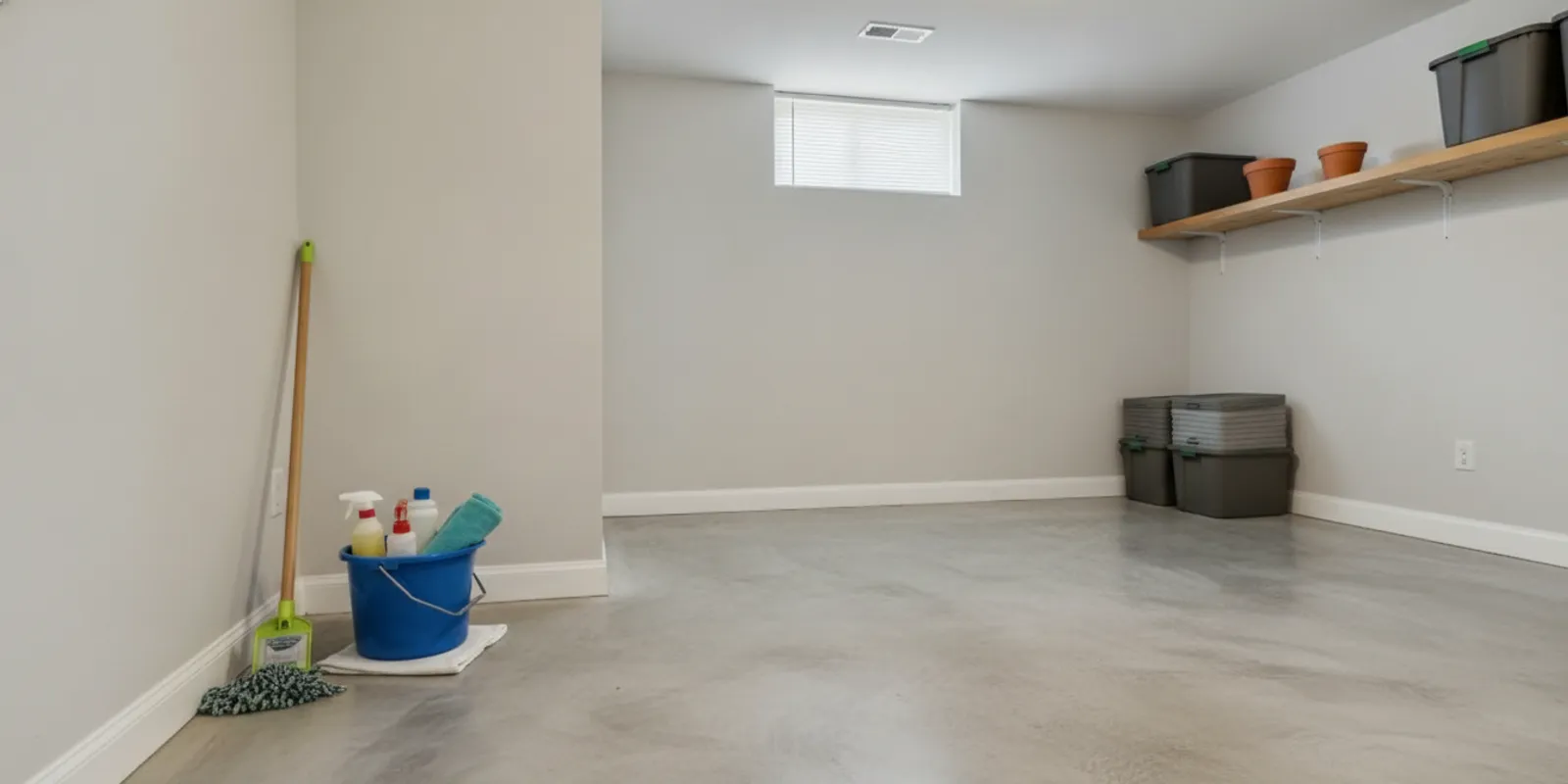
A clean basement floor starts with two checks: what the floor is made of and whether it is dry and safe to clean. If you are figuring out how to clean a basement floor, the right approach can remove everyday dust and grime without leaving excess water behind or damaging the finish.
What should you check before cleaning a basement floor?
Basement floors vary. Some are unfinished concrete. Others have sealed concrete, tile, vinyl, or another finished surface. A method that works on one may be too wet or abrasive for another. Identify the material before you choose a cleaner or tool.
- Look for a coating or finish. A glossy or colored surface may be sealed or painted concrete. Avoid harsh scrubbing until you know what the finish can tolerate.
- Check for loose debris. Grit, small stones, and construction dust can scratch a finished floor when dragged around with a mop.
- Look for standing water or damp patches. Do not start by spreading water across a floor that is already wet. Find and address the source first.
- Notice musty odors, visible growth, or recurring dampness. These can point to a moisture problem rather than a simple cleaning issue. Cleaning the floor alone will not solve the cause.
- Read the product and flooring instructions. Test a cleaner on a small, inconspicuous area and follow its label. Never combine cleaning products.
If the floor is part of a larger seasonal refresh, a guide to what deep cleaning covers can help you decide which other areas need attention. For a move into a new home, see this move-in deep-cleaning checklist for broader preparation.
What supplies do you need?
Gather only what suits your surface and the amount of dirt. A simple setup usually works better than using several products at once.
- Broom and dustpan, or a vacuum approved for the floor surface
- Microfiber dust mop or a soft-bristle brush
- Bucket, clean mop, and clean water
- A mild floor cleaner labeled for your specific material
- Soft cloths or non-scratch pads for small marks
- Gloves and any protective equipment required by the cleaner label
Keep the room ventilated when using cleaning products, and do not use a cleaner just because it is described as suitable for floors. Check its label for the exact surface. Avoid abrasive pads on painted, sealed, or coated floors unless the flooring or product guidance says they are safe.
How do you clean a basement floor step by step?
1. Clear the floor and make a dry pass
Move boxes, rugs, and light furniture out of the work area. If an object is too heavy to move safely, clean around it rather than risking an injury. Pick up larger debris by hand while wearing gloves, then sweep or vacuum from the far side of the room toward the exit. Pay attention to corners, along the base of shelves, and around floor drains.
Removing loose grit first matters because a wet mop can push debris into corners or drag it across a finished surface. If you vacuum, use an attachment and setting that are suitable for the material, and do not use an ordinary household vacuum to pick up standing water.
2. Prepare a small amount of cleaning solution
Use the amount of cleaner stated on its label. More product is not necessarily more effective; excess residue can leave a dull or sticky film that attracts dirt. If the product requires dilution, measure it rather than estimating. Keep the solution away from children and pets while you work.
For an unfamiliar cleaner, test a discreet patch and let it dry before treating the whole floor. This is especially useful on painted or sealed concrete and on older flooring, where the finish may be worn or uneven.
3. Work in manageable sections
Dampen—not soak—a mop or cloth. Clean one section at a time, working toward the exit so you do not have to walk across the area you just cleaned. Rinse the mop as it collects dirt. Change the bucket water when it looks cloudy; dirty water can spread grime instead of removing it.
Use light, even passes rather than flooding the floor. Concrete can be porous, and too much water may take a long time to dry. On tile, do not forget the grout lines, but avoid aggressive scrubbing that could damage the grout or finish. For vinyl or other resilient flooring, follow the manufacturer's care directions and avoid leaving puddles at seams or edges.
4. Treat marks separately
Do not respond to every spot by increasing the cleaner strength. First identify what the mark might be and whether the floor is sealed. Try a damp cloth with the surface-appropriate cleaner, allow the label's contact time if one is specified, then wipe and rinse as directed. Use a soft brush only when it is safe for that finish.
For greasy residue, work a little at a time and change cloths so the oil is not spread around. For paint, adhesive, or unknown chemical spills, check the flooring and product guidance before scraping or applying solvents. A sharp scraper or unapproved solvent can leave a scratch, discoloration, or damaged coating. If the residue is extensive or you do not know what it is, pause and seek appropriate help rather than experimenting.
5. Rinse if the product directions require it, then dry
Some cleaners need a clean-water rinse; others do not. Follow the label. If rinsing is required, use a clean, damp mop and change the water as needed. Remove remaining moisture with a dry microfiber mop or cloth, especially along walls, floor joints, and around stored items. Keep the area ventilated until it is fully dry before returning rugs, boxes, or furniture.
Put items back only after the floor is dry. Check cardboard boxes and stored fabrics before replacing them. If dampness returns, do not simply repeat the cleaning; investigate where the moisture is coming from.
Which cleaning method fits your basement floor?
When you are deciding how to clean a basement floor, use the surface as your guide. The table below is a starting point, not a substitute for the flooring maker's instructions or the cleaner label.
| Floor surface | Routine method | Watch out for |
|---|---|---|
| Unfinished concrete | Sweep or vacuum, then damp mop in small sections with a suitable mild cleaner. | Excess water, gritty debris, and cleaners not labeled for concrete. |
| Sealed or painted concrete | Dry dust first; spot-test, then use a lightly damp mop and compatible cleaner. | Abrasive pads, strong chemicals, and scrubbing that lifts the coating. |
| Tile | Sweep, damp mop with a tile-safe product, and wipe grout carefully. | Residue in grout and products that can harm the tile or grout finish. |
| Vinyl or other resilient flooring | Remove grit, then clean with a damp mop and product approved for that floor. | Puddles at seams, abrasive tools, and unapproved solvents. |
| Unknown or damaged surface | Remove loose dry debris and identify the material before wet cleaning. | Testing a new chemical or method over a large area. |
How should you handle common basement floor problems?
Different types of dirt call for different responses. Start with the least aggressive method that is appropriate for the material, and avoid treating the whole floor for one small spot.
- Loose dust and grit: Sweep or vacuum slowly, including edges and corners. Use a clean dust mop on smooth flooring so grit does not collect under the mop and scratch the surface.
- Footprints and light marks: Try a damp microfiber cloth with a surface-compatible cleaner. Wipe the mark, then remove any residue according to the product instructions.
- Sticky residue: Soften it only with a method approved for that floor. Avoid pouring solvent or hot water onto an unknown finish, and do not scrape with a knife or metal tool.
- White or powdery patches: Do not assume they are ordinary dirt. Brush a small dry area gently and note whether the material returns, especially after damp weather. Reappearing deposits can be a reason to investigate moisture before repeatedly washing the area.
- Oil or unknown spills: Keep foot traffic away and check the product or material involved. Some spills need special handling; avoid spreading them with a wet mop.
Use separate clean cloths for stain treatment and general mopping. That keeps concentrated residue from being carried across the floor. When in doubt about a spot, take a photo and identify the floor material before choosing a stronger cleaner.
What should you do if the basement floor has floodwater or sewage?
Floodwater and sewage are not ordinary dirt. If water entered from outside, a drain backed up, or the floor may be contaminated, keep people and pets away until you can assess the situation safely. Do not assume that a routine mop and household cleaner are enough. The Washington State Department of Health provides specific steps for cleaning a flooded basement, while the Illinois Department of Public Health explains precautions for flood and sewer-overflow cleanup. Follow the applicable local public-health guidance for the actual situation.
Do not enter water if there may be an electrical hazard. Avoid handling contaminated materials without appropriate protection, and do not mix bleach or other chemicals with other cleaners. For substantial flooding, sewage, or contamination that you cannot confidently handle, contact local authorities or qualified remediation professionals for direction. Cleaning the visible floor does not make an unsafe room safe.
How can you keep a basement floor cleaner?
Small habits reduce the amount of work the next time. Sweep or vacuum visible grit before it gets tracked through the house. Use a mat at the basement stairs or entry point if appropriate, and clean spills promptly once you know they are safe to handle. Keep stored items off damp areas, and avoid placing rugs over a floor that has not dried fully.
Choose a schedule that fits how the basement is used. A storage room may need occasional dust removal and spot cleaning. A frequently used play area, laundry space, or work area may need more regular dry cleaning and a damp mop when the surface calls for it. If the floor repeatedly becomes damp, musty, or stained, investigate the underlying moisture rather than increasing the cleaning frequency.
For other parts of the home, Clear Choice's cleaning services overview explains the available service types, and the cleaning services FAQ answers common questions about arranging service. A deep cleaning visit may be relevant when the floor is part of a wider cleaning project; describe the surface and condition when requesting an estimate.
When should you ask for professional cleaning help?
Consider help when the area is large, the buildup is stubborn, the floor is part of a move-in or property handoff, or you need a broader clean beyond the floor itself. Professional cleaners can assess the cleaning task and the floor condition before work begins, but flood damage, sewage, and hazardous materials may require specialized remediation rather than routine cleaning.
Clear Choice Home Cleaning Services is locally owned and provides residential and commercial cleaning in the North Metro Atlanta area. If you are unsure whether your basement floor is suitable for a routine cleaning visit, explain whether it is concrete, tile, vinyl, or another material and mention any water or damage concerns. A clear description helps determine the appropriate next step. You can also review the company's about page before reaching out.
Frequently Asked Questions
Can I use a wet mop on an unfinished concrete basement floor?
Use a lightly damp mop rather than leaving standing water. Sweep or vacuum first, choose a cleaner labeled for concrete, and dry the floor afterward. If the concrete is already damp or water keeps appearing, address the moisture before routine mopping.
Do I need a special cleaner for a basement floor?
It depends on the surface. Select a product labeled for the specific material, follow its dilution and rinse directions, and test it in a hidden spot if the finish is unfamiliar. Avoid combining products or using an aggressive cleaner to solve an unidentified stain.
How often should a basement floor be cleaned?
There is no single schedule for every basement. How often people use the room, how much dust or grit enters, and whether the floor is finished all matter. Clean visible debris as needed and damp mop when the floor calls for it, making sure it can dry completely.
What if the floor smells musty after cleaning?
A persistent musty smell or recurring dampness may point to a moisture issue. Drying and mopping can remove surface dirt, but they do not correct the source. Check for signs of water entry and seek qualified help if the problem continues or you see visible growth.
What is the safest way to get started?
Identify the floor material, remove dry grit, and use a small amount of a compatible cleaner with minimal water. Work in sections, dry the floor fully, and stop if you find standing water, contamination, or signs of a persistent moisture problem.