How to Remove Pet Odor From Common Household Surfaces
Published · Clear Choice Home Cleaning Services
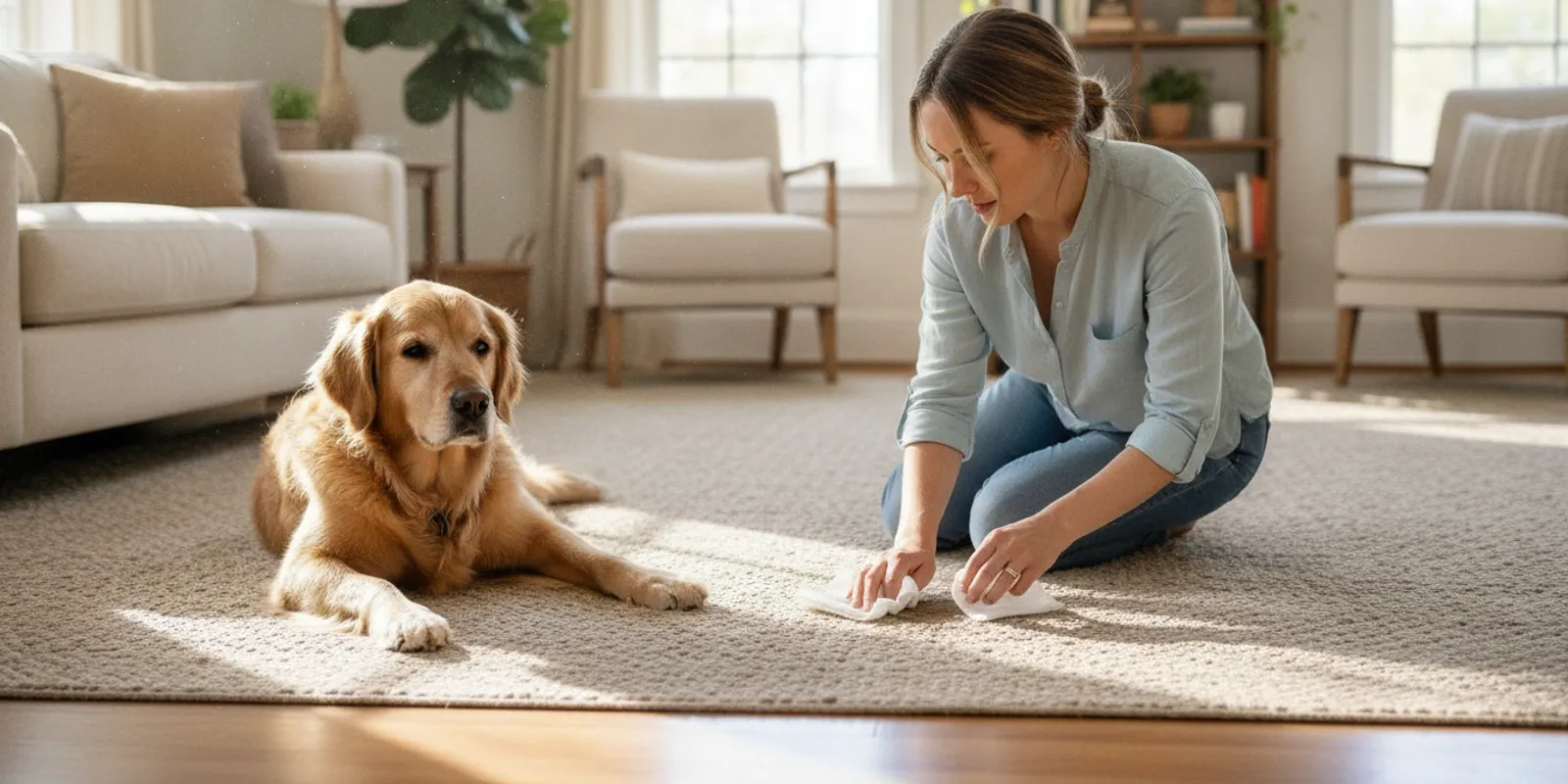
Learning how to remove pet odor starts with finding the source and matching the cleanup to the surface. A fresh spot on sealed flooring needs a different approach from urine in upholstery or a washable blanket. Work carefully, avoid covering the smell with fragrance, and give each surface time to dry fully.
Why can pet odor linger after a quick cleanup?
Odor can remain when liquid or residue has moved below the visible surface. A floor may look clean while a seam, grout line, rug backing, cushion filling, or fabric weave still holds the source. Heat and humidity can make lingering smells more noticeable. A spray that smells fresh at first may only mask the odor rather than remove what caused it.
Start with a calm inspection. Look for a visible mark, dampness, discoloration, or a place your pet returns to. If you are not sure where the source is, check the surrounding area rather than treating the whole room indiscriminately. A blacklight can sometimes help reveal old spots, but it is not definitive: residues from other products can also show up, and a visible mark does not tell you what material lies beneath it.
Keep pets and children away from the wet area while you work. Read the product label and follow its directions, including ventilation, contact time, and any surface restrictions. Never mix cleaning products. In particular, do not combine bleach with ammonia or other cleaners. If a product advises protective equipment or a rinse, follow those instructions.
What should you do first?
Use these first steps before selecting a cleaner:
- Blot, do not scrub. If the spot is fresh, press an absorbent white cloth or paper towel into it. Lift and repeat with a clean section. Scrubbing can push liquid deeper, spread it outward, or rough up fibers.
- Remove what you can safely lift. For solids, use a disposable tool or paper towel. Work from the outside toward the center so the mess does not spread.
- Check the care instructions. Look for the flooring or fabric manufacturer’s cleaning guidance. Test a cleaner on a hidden area first and let the test spot dry before judging it.
- Choose a product for the surface and source. Enzyme-based cleaners are designed to break down some organic residues, but they are not suitable for every material. Confirm that the label lists the surface and follow the stated directions.
- Use only enough cleaner to treat the affected area. Over-wetting can create a new problem, especially in wood, carpet backing, cushions, or layered upholstery.
For any household cleaner or disinfectant, use the product as labeled. The U.S. Environmental Protection Agency provides information about products and environmental topics; the product label remains the guide for a specific cleaner’s permitted use and precautions.
How do you remove pet odor from hard floors?
Hard floors are not all alike. Sealed tile, vinyl, laminate, and finished wood tolerate different amounts of moisture and different cleaners. Start by identifying the floor type if you can. When uncertain, use the manufacturer’s care instructions rather than assuming that a product safe for tile is safe for wood.
- Blot fresh liquid immediately. Press a clean absorbent cloth against the spot. Avoid flooding the area with water.
- Clean with a compatible product. Apply a surface-safe cleaner according to its label. A small amount on a cloth can give you more control than pouring liquid directly onto the floor.
- Address seams and grout gently. If the odor sits around tile grout or floor joints, clean the area without saturating it. A soft brush may help on compatible tile and grout, but do not use an abrasive tool on a finish that can scratch.
- Remove residue as directed. Some products require wiping or rinsing; others specify a dwell time. Follow the label rather than layering multiple cleaners.
- Dry the area completely. Use a clean towel and allow air circulation. Check edges, corners, and under nearby objects before putting rugs or pet beds back.
Finished wood needs special care. Do not leave liquid standing on it, and avoid aggressive scrubbing. If liquid has entered a seam, caused swelling, lifted a finish, or left a mark that persists after gentle surface cleaning, stop. Repeated wet treatments can worsen damage. A flooring professional may need to assess a problem that has reached the finish or material beneath it.
How do you clean pet odor from upholstery?
Upholstery may have a removable cover, a surface fabric, and an absorbent cushion core. Treating only the outer fabric may not solve an odor that has penetrated the padding. Begin with the care tag and the furniture maker’s directions. Upholstery codes and materials vary; water-based methods that work on one sofa can stain or damage another.
- Blot the affected spot. Press a white towel into the fabric without rubbing. Rotate to a clean area of the towel as it absorbs moisture.
- Check the care code. If the instructions permit water-based cleaning, test in an inconspicuous place. If the tag indicates solvent-only care, or you cannot identify the material, consult an upholstery cleaner instead of experimenting.
- Apply a compatible cleaner sparingly. Follow the label, and do not soak the cushion. Apply to a cloth first if that gives you better control.
- Blot and remove residue as directed. Do not scrub delicate pile or push cleaner into seams. A clean, slightly damp cloth may be appropriate only if the product directions call for it and the fabric permits it.
- Let the piece dry fully. Keep the area ventilated and do not replace cushions or covers while damp. Check for a lingering smell after the fabric has dried, not just while cleaner fragrance is present.
For a cushion with a removable cover, check whether the care label allows laundering. Do not assume the cushion insert is washable. If liquid has soaked into the core, professional upholstery treatment or replacement may be more appropriate than repeated surface sprays.
How should you wash fabrics that hold pet odor?
Blankets, washable pet bedding, and removable covers can often be handled in a laundry cycle, but the care tag comes first. Separate soiled items from other laundry. Blot or rinse according to the garment or item instructions, then use a detergent and cycle suitable for the fabric. If using an odor-removal product, confirm that it is intended for laundry and follow its label.
Before using a dryer, check whether the odor has gone and whether the item is safe to tumble dry. Heat can make some remaining stains or odors harder to address, and some fabrics may shrink or lose their shape. Air-dry when the label allows and when you want to inspect the result before applying heat. Wash the laundry hamper or other container if odor transferred to it.
Which approach fits each surface?
| Surface | First action | Main caution | When to pause |
|---|---|---|---|
| Sealed hard floor | Blot, then use a compatible cleaner | Do not leave liquid standing | Finish is lifting, swelling, or stained |
| Tile and grout | Blot and clean the joint carefully | Avoid harsh abrasion and excess moisture | Odor remains below the visible surface |
| Upholstery | Blot and check the care tag | Do not soak the cushion or ignore fabric code | Liquid reached padding or fabric is delicate |
| Washable fabric | Check label and launder separately | Confirm product and dryer compatibility | Odor persists after a full wash and dry |
What can make a pet odor treatment fail?
- Using fragrance as a substitute for cleaning. A scent can hide odor briefly without addressing the source.
- Scrubbing before blotting. Friction can spread the spot and work residue into fibers.
- Applying multiple products in sequence. Residues can interact, and mixing cleaners can be dangerous. Follow one product’s instructions and rinse only when directed.
- Over-wetting a material. Excess moisture can seep into padding, seams, or flooring joints and may prolong drying.
- Putting a rug or cushion back before it is dry. Trapped moisture can make an area smell musty and complicate the cleanup.
- Treating repeatedly without checking the source. If an animal returns to the same area, inspect nearby seams, edges, or hidden layers instead of adding more cleaner to the surface.
Do not use a steam cleaner on an affected area unless the surface and product manufacturers say that method is appropriate. Heat and moisture may be a poor match for some stains, adhesives, finishes, and fabrics. Also avoid scent-heavy sprays around pets unless their labels specifically allow that use; keep animals away until the treated area is safe and dry according to product directions.
When is DIY cleaning not enough?
Consider professional help if the odor returns after the surface is fully dry, the affected area is large, liquid has entered carpet backing or upholstery padding, or repeated attempts risk damaging a finish. Persistent odor around floor edges, seams, or a subfloor may require more than a household surface treatment. A cleaner can help with the visible and accessible surfaces, but damage or contamination inside building materials may call for a flooring, upholstery, or restoration specialist.
Think about what you need cleaned and share the details when asking for an estimate: the type of surface, approximate size of the area, whether the issue is fresh or recurring, products already used, and any material restrictions. Clear information helps the provider understand the scope before recommending a next step. For general home upkeep, compare standard cleaning with a more intensive deep cleaning based on the areas you want addressed. A deep clean is not a substitute for repair when odor has reached a damaged material.
Clear Choice Home Cleaning Services LLC is locally and veteran owned in Alpharetta and serves Metro Atlanta. Its cleaning options include standard cleaning, deep cleaning, apartment cleaning, and moving-related cleaning. The right scope depends on your home, the surfaces involved, and your priorities; request an estimate rather than relying on a one-size-fits-all answer.
Ask for an estimate for your cleaning needs
Frequently asked questions
Does vinegar remove pet odor?
It may help with some surface cleanup, but vinegar is not suitable for every material and may not remove residue that has soaked into padding or seams. Check the floor or fabric care instructions, test any product in a hidden spot, and never combine vinegar with other cleaners.
Can I use baking soda on a pet accident?
Baking soda may help absorb some surface odors after an area is dry, but it is not a complete solution for liquid that has penetrated a cushion, rug backing, or floor joint. Avoid using it where it could damage or become trapped in a material, and vacuum only if the surface and vacuum instructions allow it.
Why does the smell come back after cleaning?
The original source may remain below the surface, or the area may not have dried fully. Cleaner residue, moisture in a seam, or a missed spot can also contribute. Recheck the surface and product directions; stop if further treatment could damage the material.
Can pet odor be removed from every surface?
Results depend on the material, how deeply the liquid traveled, and whether the surface is damaged. Some fabrics and finishes cannot tolerate the treatment needed for a deep-set odor. A qualified upholstery, flooring, or restoration professional can assess those cases.
A careful cleanup begins with the material, not the strongest product on the shelf. Blot promptly, follow surface-specific directions, allow the area to dry, and ask for help when the odor appears to have traveled beneath the surface.