
House Cleaning for Seniors: A Practical, Respectful Home-Care Guide
Published · Clear Choice Home Cleaning Services
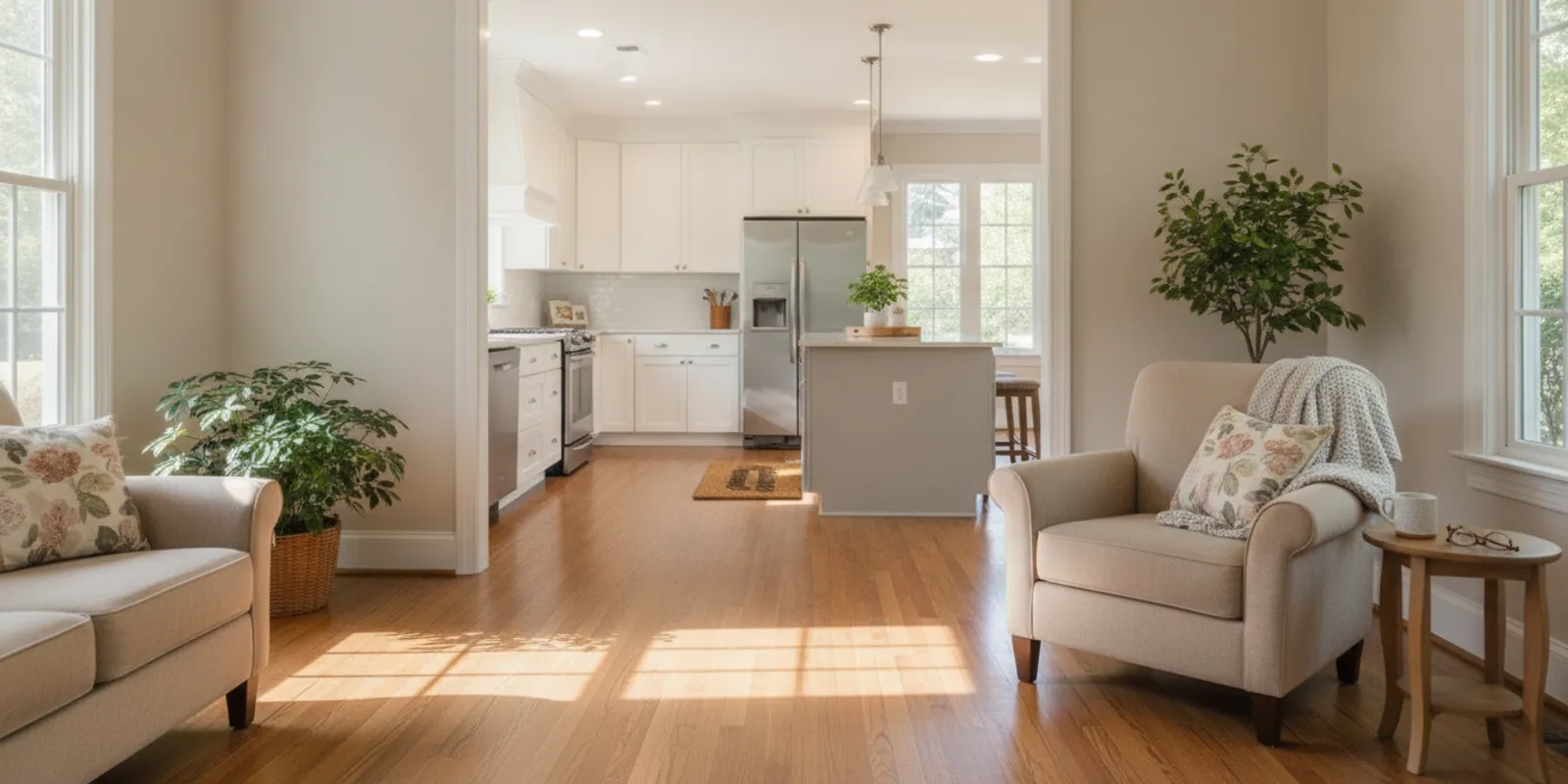
House cleaning for seniors works best when it supports the person’s comfort, routines, and independence. Rather than trying to clean everything at once, start with the rooms used most, keep walking routes clear, and agree on what should stay in place. A small, predictable plan can make upkeep easier for older adults and family caregivers alike.
What should you discuss before cleaning begins?
Ask the resident what matters most before moving belongings or changing a routine. One person may want the kitchen reset first; another may care most about a clean bathroom or fresh floors. Do not assume that a tidy-looking item is unwanted. Ask before sorting papers, medications, photographs, mobility aids, or personal objects.
Agree on practical details such as rooms to include, surfaces that should not be moved, preferred products if known, and whether the visit should focus on a short task list or broader upkeep. If a family caregiver is helping coordinate, include the resident in the conversation as much as possible. A clear plan avoids confusion and helps keep the home familiar.
For a professional visit, describe the home and the requested work when asking for an estimate. Clear Choice is a locally and veteran-owned cleaning company based in Alpharetta, serving Metro Atlanta. Explore its cleaning services and ask which scope fits the household’s needs.
Which rooms should you prioritize?
Begin with the spaces that are used every day. A useful order is to address kitchen and bathroom surfaces, then the main walking routes, followed by bedrooms and less-used rooms. The resident’s preferences should guide the order; this is a flexible starting point, not a rule. It can help to separate essential tasks from optional tasks so that a visit has a realistic focus.
| Area | Everyday priority | Helpful focus |
|---|---|---|
| Kitchen | Food-preparation and frequently touched surfaces | Wipe counters and table, clean sink, and clear only agreed-upon items from work areas. |
| Bathroom | Frequently used fixtures and floor | Clean sink, toilet, and shower or tub surfaces; leave personal products accessible as requested. |
| Entry and hallways | Clear passage through the home | Remove loose debris and tidy items only with permission; keep walking aids and essentials in their usual places. |
| Bedroom | Comfort and access to daily items | Dust reachable surfaces, make the bed if requested, and keep paths to the bed and closet open. |
| Living area | Common seating and routes between rooms | Dust and vacuum or sweep suitable floor surfaces, while keeping cords and furniture arrangements in mind. |
These priorities focus on ordinary household cleaning, not medical or personal care. For a broader seasonal reset, deep cleaning may be appropriate for buildup and less frequently addressed areas. A routine standard cleaning can be a better fit when the goal is ongoing upkeep; ask about the scope before scheduling.
It may help to think about how the household uses each room at different times of day. For example, keep a route from the bedroom to the bathroom usable overnight, and avoid leaving damp floors in a bathroom immediately before it is needed. In the kitchen, clear the work surface the resident relies on rather than moving everything around. These small choices make a cleaning plan more relevant to daily life without changing the home’s layout.
How can you reduce clutter and trip hazards respectfully?
Clutter is personal, and removing it without asking can create stress or make familiar items harder to find. Work together to identify objects that can be put away, recycled, or discarded. Keep frequently used belongings, mobility aids, and essentials in the locations the resident expects. A clear path does not require reorganizing the entire home.
- Keep main routes between the bed, bathroom, kitchen, and favorite seating area open.
- Ask before moving small tables, chairs, baskets, or other familiar furniture.
- Notice loose cords, rugs, shoes, bags, and items on the floor; discuss any change before making it.
- Store everyday items within the resident’s preferred reach when possible, without rearranging cabinets or drawers unexpectedly.
- Use a basket or agreed-upon spot for items that need sorting instead of making decisions on someone else’s behalf.
Cleaning alone cannot address every safety concern. If a rug, cord, step, or furniture layout seems difficult to manage, talk with the resident and the appropriate family or support person about next steps. Avoid moving equipment or changing a setup that the resident relies on without agreement. The National Institute on Aging offers general guidance on home safety for older adults; use it as a prompt for a conversation, not as a substitute for an individual assessment.
A helpful method is to walk through the home together and note observations without immediately correcting them. Ask which belongings are used every day and which routes feel inconvenient. If the resident agrees to put items away, decide on a specific destination together and keep it consistent. For a change that involves repairs, electrical work, or a mobility device, seek help from an appropriate professional rather than treating it as a cleaning task.
How can you make a cleaning visit easier?
Prepare a short list of priorities and mention any surfaces or belongings that should be left untouched. If the resident prefers quiet, a certain room order, or a particular time of day, share that preference beforehand. Keep the discussion straightforward: what needs attention, what should remain as it is, and what can wait.
It can also help to plan for access and communication. Let the resident know when the visit is expected, where the cleaner should begin, and how to handle a room that is occupied or not ready. Put away valuables or sensitive papers only if the resident wants that; do not treat the visit as permission to sort personal possessions. If plans change, update the person coordinating the visit so that expectations stay clear.
For a home that needs regular maintenance, a recurring schedule may help keep tasks manageable. For a one-time reset after a move or a period of accumulated household dirt, ask about an appropriate one-time service. Clear Choice also offers apartment cleaning for households in apartments, depending on the requested scope.
Homeowners and family caregivers can review the company’s cleaning service FAQs before contacting the team. Michael A. Jones is the owner and personally handles scheduling and satisfaction check-ins. Share the resident’s preferences directly so the proposed plan reflects what matters to them.
Before the visit, consider preparing a brief note that separates “please clean” from “please leave as is.” Include the rooms to prioritize, any surfaces that need special attention, and items that should not be moved. If several people are involved in coordinating care, agree on one person to communicate changes so the resident does not receive conflicting instructions.
How do you choose a manageable cleaning plan?
A useful plan is specific enough to guide the visit but flexible enough to respect how the home is used. Instead of asking for everything to be done, identify a few priority outcomes: a clean kitchen work surface, a fresh bathroom, or a clear route between frequently used rooms. If time or energy is limited, decide in advance which items can wait until another visit.
One approach is to divide tasks into three groups. First are routine tasks that support daily use, such as cleaning a sink or addressing visible floor dirt. Second are occasional tasks, such as cleaning less-used rooms or areas that have accumulated dust. Third are tasks that require special access, lifting, repairs, or decisions about belongings. The last group may need a different plan or the resident’s explicit direction rather than being added casually to a cleaning list.
Keep the plan visible to the people involved, if the resident wants that. A short written list can include rooms, surfaces, items not to move, and any agreed stopping point. After the visit, ask what worked and what should change next time. This simple feedback makes future visits more predictable without assuming that the same priorities will always apply.
A simple weekly checklist can help a household make the plan concrete: list the high-use rooms, note which tasks are essential this week, and mark any work that can wait. Avoid turning the list into a measure of what someone “should” accomplish. The resident can change priorities from visit to visit, and a shorter list may be the right choice during a busy or tiring week. If the home is shared, make sure everyone understands which tasks are included so that expectations stay realistic.
When should you request residential cleaning help?
Consider asking for help when routine tasks are taking more time or energy than the resident wants to spend, when several rooms need attention at once, or when a caregiver is balancing cleaning with other responsibilities. A cleaning service can assist with household surfaces and floors, but it is not a substitute for medical care, personal care, or a home-safety assessment.
When requesting an estimate, explain whether you need recurring upkeep, a more intensive reset, or help with a particular room. Mention the home type, the areas to address, and any preferences about belongings and access. Ask what is included and what needs to be prepared before the visit. Clear information helps the cleaning company discuss a suitable scope without assuming what the resident needs.
Clear Choice provides residential cleaning in North Metro Atlanta. If you are comparing options, look for a plan that reflects the resident’s priorities and leaves personal decisions in their hands. The company’s about page provides more information about its local ownership and approach.
You can also use the first conversation to establish boundaries and a way to review the result. For instance, decide whether the resident or caregiver will point out the priority rooms, where cleaning supplies or equipment should be handled, and how to flag a missed task. Questions about the cleaning scope are easier to resolve when discussed before the appointment. If the requested work falls outside ordinary residential cleaning, clarify that early so the household can identify the right kind of support.
For a more practical comparison, discuss not just the size of the home but the tasks that matter on an ordinary visit. A household may prefer a lighter recurring visit focused on kitchen, bathroom, and floors, while another may need a one-time deep cleaning before settling into a new routine. Ask whether the proposed scope includes the surfaces and rooms you listed, what the household should prepare, and how to share updates if priorities change. Keeping those details together makes it easier to compare estimates on the same basis instead of choosing from vague descriptions.
For example, a caregiver might send a concise list the day before: clean the main bathroom and kitchen, vacuum the route from bedroom to living room, and leave paperwork and bedside items untouched. The resident can review or change that list. This makes the visit easier to understand, and prevents a well-intended cleaning effort from disrupting items the person uses each day. If a task cannot be completed as expected, it is better to discuss it openly and decide whether to adjust the next visit.
Contact Clear Choice to discuss a cleaning estimate
Frequently Asked Questions
Should a cleaner rearrange items to clear a surface?
Only when the resident has agreed to it. Ask where items should go, and avoid moving papers, medications, mobility aids, or meaningful belongings without permission.
Is standard cleaning different from deep cleaning?
Standard cleaning is generally suited to routine upkeep. Deep cleaning is a more intensive option for areas that need additional attention. The best fit depends on the home’s condition and the resident’s priorities.
Can a cleaning service address fall risks?
A cleaner can help keep floors and agreed-upon walking routes tidy, but cleaning is not a complete safety assessment. Discuss concerns about rugs, cords, steps, or mobility with the resident and an appropriate support person.
What should a family caregiver tell the cleaning company?
Share the requested rooms and tasks, preferred timing, items that should not be moved, and the resident’s priorities. Whenever possible, include the resident directly so the plan reflects their preferences.
What is the safest way to get started?
Start with a conversation, choose one or two high-priority areas, and keep the resident involved in decisions about belongings and routines. If household upkeep would be easier with help, request an estimate and describe the scope clearly so the next step feels manageable.